


SpacemiT AI Matrix Extension Instruction Set
Zvvm_spacemit Profile
Version: 0.6 Status: Public Release Last Updated: 2026.04.13
Table of Contents
- Chapter 1 Overview
- Chapter 2 SpacemiT Matrix Extension Programming Model
- Chapter 3 Differences Between the SpacemiT Matrix Extension Programming Model and Community
Zvvm/Zvzip - Chapter 4 Instruction Overview, Sub-extensions, and Quick Index
- Chapter 5 Integer Matrix Multiplication Instructions
- Chapter 6 Floating-Point Matrix Multiply Instructions
- Chapter 7 Data Layout Transformation Instructions
- Chapter 8 Instruction Encoding Summary
- Appendix A Tile and Sub-extension Quick Reference
Chapter 1 Overview
1.1 Design Features
Matrix multiplication is a fundamental workload in machine learning and AI applications. Traditional matrix acceleration designs often introduce a dedicated matrix register file to improve data throughput. However, this approach also increases architectural state, context-switch overhead, and software stack complexity.
The Zvvm / IME matrix extension adopts a different design philosophy. Instead of introducing new register files, it reuses the 32 vector registers defined in the RISC-V V extension. One-dimensional vector layouts are reinterpreted as two-dimensional matrix tiles, enabling higher computational density without expanding architectural state.
Based on this concept, SpacemiT has developed the SpacemiT AI Matrix Extension Instruction Set, which has already been implemented across two generations of compute chips.
This instruction set maintains good compatibility across RISC-V processors with different VLEN configurations while achieving high compute utilization. It is built on top of the RISC-V Vector programming model, reusing the vector register file and control semantics. At the same time, it introduces matrix computation capabilities with minimal disruption to the existing RVV software ecosystem.
Key design features include:
- Reuses the existing vector register file to represent 2D matrix tiles
- Provides matrix multiplication capability without introducing a dedicated matrix register file
- Native support for common AI data types such as Int4, Int8, FP16, and BF16
- Includes specialized matrix multiplication instructions for convolution, sparse computation, and block quantization
- Provides data layout transformation instructions for rearranging vector register contents
- Evolves in alignment with community extensions such as IME,
Zvvm, andZvzip, sharing similar design principles
1.2 Instruction Set Capabilities
The SpacemiT AI Matrix Extension instruction set can be categorized into seven classes:
- Integer matrix multiplication instructions
- Floating-point matrix multiplication instructions
- Integer sliding-window matrix multiplication for convolution
- Floating-point sliding-window matrix multiplication for convolution
- Integer matrix multiplication for block quantization
- 4 structured sparse integer matrix multiplication
- Data layout transformation instructions
Including variations for operand signedness and convolution-specific variants, the instruction set defines a total of 46 custom instructions for AI workloads.
1.3 Recommended Reading Order
For readers new to the SpacemiT Matrix Extension, the following reading order is recommended:
- Chapter 2 — Understand register constraints, supported
LMULrange, and global control fields - Chapter 4 — Get an overview of sub-extensions and instruction categories
- Chapters 5–7 — Study instruction semantics by category
- Chapter 8 — Review instruction encodings and map them to the semantics
1.4 Unified Matrix Semantics Notation
A typical operation in the SpacemiT AI Matrix Extension is:
$$ C \leftarrow C + A \times B^T $$
For example, in the integer matrix multiplication instruction:
smt.vmadot vd, vs1, vs2, i8vs1holds the tile of matrix Avs2holds the tile of matrix B^Tvdholds both the initial accumulator values and the final resultsi8specifies the operand data type used in the computation
Here, B^T represents the geometric layout of matrix elements relative to their mathematical arrangement. It does not require software to explicitly transpose matrix B.
1.5 Geometric Layout of Matrix Tiles
The geometric relationship between the multiplier and matrix tiles is determined by:
- The tile geometry parameter
λ(lambda) - Vector parameters
SEWandVLEN
For the operation: $C \leftarrow A \times B^T + C$
the input matrices A, B, and the output matrix C are all stored in the RISC-V vector register file. The storage layout of these matrices is illustrated in Figure 1.
-
Accumulator Matrix
C- The accumulator matrix
Cis stored in a vector register group with element widthSEW. - The register group multiplier
MUL_Cis determined by the tile geometry:MUL_C = (VLEN / SEW) / λ^2 - In current implementations,
λis a fixed parameter associated with each instruction type (see later sections). - The
Cregister group may start at any vector register index aligned toMUL_C. - Valid values:
MUL_C ∈ {1, 2, 4, 8, 16} - When
MUL_C = 16, the starting register index is restricted to0or16.
- The accumulator matrix
-
Input Matrices
AandB- Matrices
AandBare each stored in a single vector register. - Their element widths are defined by the instruction and encoded directly.
- In the current SpacemiT AI Matrix Extension implementation:
- Only
LMUL = 1is supported - All other
LMULencodings are reserved - Using any non-1
LMULvalue in IME instructions must raise an illegal instruction exception
- Only
Note: In the community
Zvvmextension, two parameters are defined:LMUL: register grouping factor for input tilesW: ratio between output and input element widths
In future implementations:
λmay be encoded viavtype.lambda[2:0]WandLMULmay be more consistently integrated into the programming model
In current implementations (A60, A100):
LMUL = 1onlyWis implicitly determined by instruction semantics
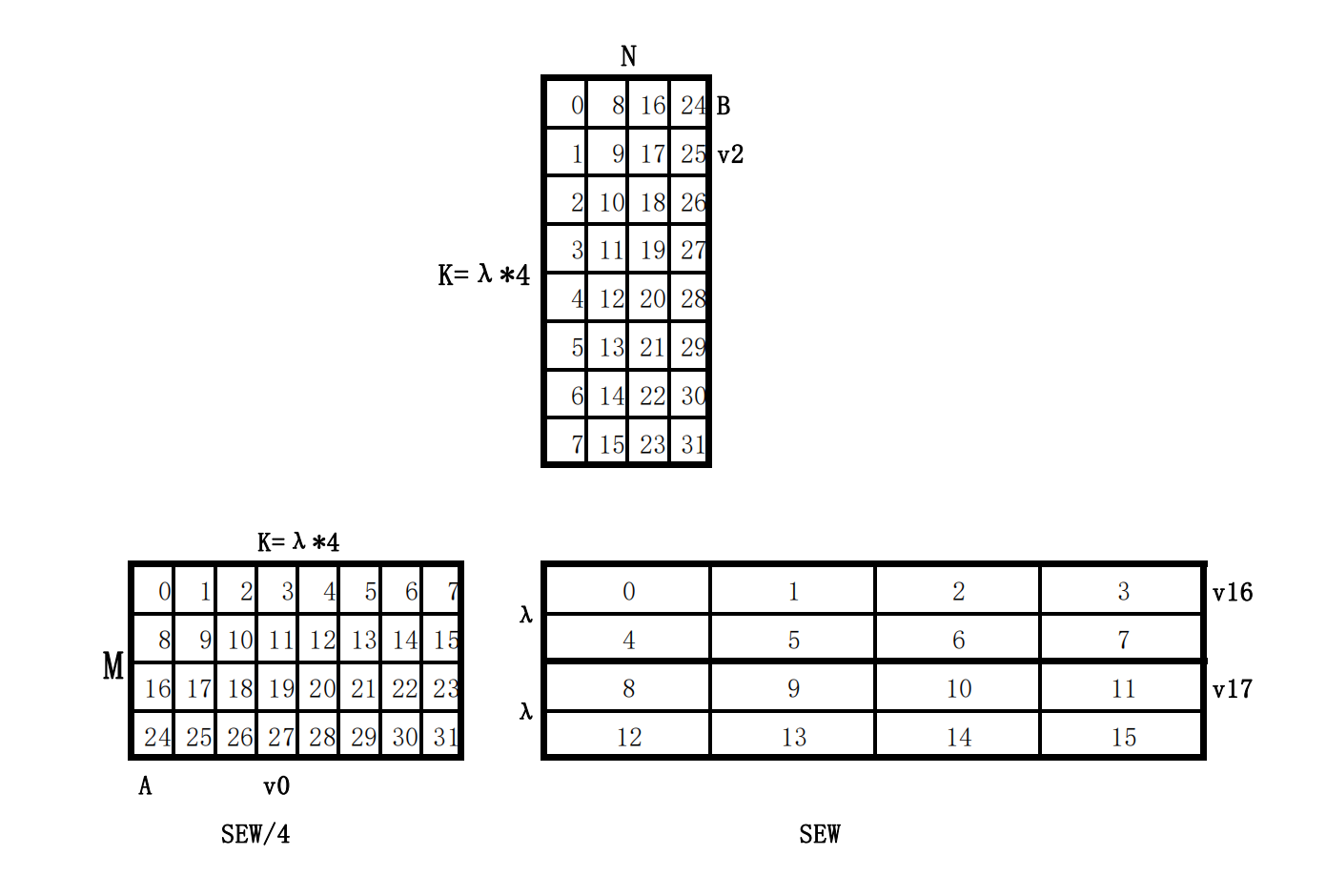
Figure 1. Matrix tile geometry and element ordering under the configuration: 32-element vector register,
λ = 2,W = 4,VLEN = 256,LMUL = 1. Vector registers are interpreted as 2D tiles, and element indices illustrate the ordering within each tile. - Matrices
-
Effective Reduction Dimension (K)
The reduction dimension (K), i.e., the shared accumulation dimension between
Aand (B^T), is determined byλand further scaled by the instruction widening factorWandLMUL: $$ K_eff = λ × W × LMUL $$ -
Element Widths and Signedness
-
Elements in
AandBtiles have width:SEW ÷ W -
Elements in the accumulator matrix
Chave width:SEW(See Table 1 below) -
Signedness is encoded directly in the instruction (See Table 2 below):
s→ signedu→ unsigned
-
The accumulator matrix
Cis always interpreted as signed.
-
-
Tile Dimension Derivation
Tile dimensions are derived from the widening factor and
LMUL:L_A = LMUL × VLEN ÷ (SEW ÷ W) (total number of elements in matrix `A` (or `B`) within the LMUL register group) K_eff = λ × W × LMUL M = N = L_A ÷ K_eff (The accumulator tile is square, i.e., the number of rows equals the number of columns.) -
Accumulator Register Group Size
MUL_C = VLEN ÷ (SEW × λ²)Independent of bothWandLMUL -
Data Layout Characteristics As shown in Figure 1:
- Elements in vector registers are contiguous along the
λdimension - Tile
Aand tileCare stored in row-major order - Tile
Bis stored in column-major order
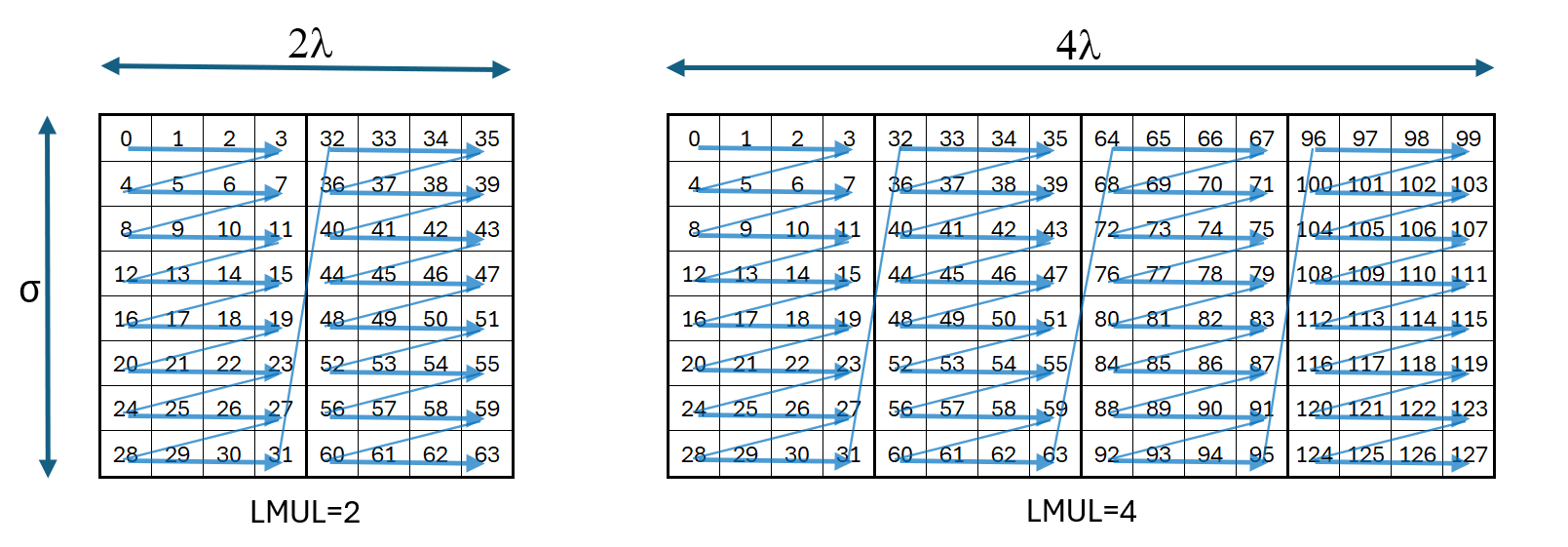
Figure 2. Matrix tile layout under
LMUL = 2(left) andLMUL = 4(right). Blue arrows indicate contiguous elements that belong to the same tile when accessed in linear vector order. - Elements in vector registers are contiguous along the
-
Effect of LMUL Scaling
LMULscales the tile only along the K dimension, increasing the effective reduction depth proportionally.The blue arrows in Figure 2 indicate which contiguous elements form a tile when traversed in linear vector element order.
1.6 Sub-extensions of the SpacemiT AI Instruction Set
The following table maps SpacemiT sub-extensions to community Zvvm equivalents:
| SpacemiT Sub-extension | Community Zvvm Sub-extension | Dependency | Multiplier Type | Scale Type | Accumulator Type |
|---|---|---|---|---|---|
| Xsmti4i32mm | Zvvi4i8mm | Zve32x | [U]Int4, [U]Int4 | — | Int32 |
| Xsmti8i32mm | Zvvi8i32mm | Zve32x | [U]Int8, [U]Int8 | — | Int32 |
| Xsmti8i32mm_slide | — | Zve32x | [U]Int8, [U]Int8 | — | Int32 |
| Xsmti4i32mm_42sp | — | Zve32x | [U]Int4, [U]Int4 | — | Int32 |
| Xsmti8i32mm_42sp | — | Zve32x | [U]Int8, [U]Int8 | — | Int32 |
| Xsmti4fp16mm_scl16f | — | Zve32f | [U]Int4, [U]Int4 | IEEE binary16 / BFloat16 | IEEE binary16 |
| Xsmti4bf16mm_scl16f | — | Zve32f | [U]Int4, [U]Int4 | IEEE binary16 / BFloat16 | BFloat16 |
| Xsmti8fp16mm_scl16f | — | Zve32f | [U]Int8, [U]Int8 | IEEE binary16 / BFloat16 | IEEE binary16 |
| Xsmti8bf16mm_scl16f | — | Zve32f | [U]Int8, [U]Int8 | IEEE binary16 / BFloat16 | BFloat16 |
| Xsmtfp16fp32mm | Zvvfp16fp32mm | Zve32f | IEEE binary16, IEEE binary16 | — | IEEE binary32 |
| Xsmtbf16fp32mm | Zvvbf16fp32mm | Zve32f | BFloat16, BFloat16 | — | IEEE binary32 |
| Xsmtfp16fp32mm_slide | — | Zve32f | IEEE binary16, IEEE binary16 | — | IEEE binary32 |
| Xsmtbf16fp32mm_slide | — | Zve32f | BFloat16, BFloat16 | — | IEEE binary32 |
1.7 Sub-extension Support Across K-Series Chips
The A60 core in the K1 chip supports the following sub-extensions:
Xsmti8i32mmXsmti8i32mm_slide
The A100 core in the K3 chip supports the following sub-extensions:
Xsmti4i32mmXsmti8i32mmXsmti8i32mm_slideXsmti4i32mm_42spXsmti8i32mm_42spXsmti4fp16mm_scl16fXsmti4bf16mm_scl16fXsmti8fp16mm_scl16fXsmti8bf16mm_scl16fXsmtfp16fp32mmXsmtbf16fp32mmXsmtfp16fp32mm_slideXsmtbf16fp32mm_slide
| SpacemiT AI Sub-extension | A60 Support | A100 Support |
|---|---|---|
| Xsmti4i32mm | — | √ |
| Xsmti8i32mm | √ | √ |
| Xsmti8i32mm_slide | √ | √ |
| Xsmti4i32mm_42sp | — | √ |
| Xsmti8i32mm_42sp | — | √ |
| Xsmti4fp16mm_scl16f | — | √ |
| Xsmti4bf16mm_scl16f | — | √ |
| Xsmti8fp16mm_scl16f | — | √ |
| Xsmti8bf16mm_scl16f | — | √ |
| Xsmtfp16fp32mm | — | √ |
| Xsmtbf16fp32mm | — | √ |
| Xsmtfp16fp32mm_slide | — | √ |
| Xsmtbf16fp32mm_slide | — | √ |
Chapter 2 SpacemiT Matrix Extension Programming Model
2.1 Implementation Parameters
The SpacemiT Matrix Extension Profile defined in this document adopts the following implementation parameters: VLEN, λ (lambda), and MUL_C.
Their meanings are as follows:
VLEN: fixed vector register lengthλ(lambda): fixed tile geometry parameter (not dynamically configurable viavtypein A60 and A100)MUL_C: number of vector registers occupied by the destination accumulator tileC
2.1.1 Implementation Parameters for A60
The following table summarizes the implementation parameters for Xsmti8i32mm and Xsmti8i32mm_slide.
| Parameter | Value | Description |
|---|---|---|
VLEN | 256 bits | Fixed implementation parameter |
λ (lambda) | 2 | Fixed; not configurable via vtype |
MUL_C | 2 | The destination tile occupies vd and vd+1 |
SEW | 32 bits | Accumulator elements are interpreted as 32-bit values |
From this, we obtain:
$$ MUL_C = \frac{VLEN}{SEW \times \lambda^2} = \frac{256}{32 \times 4} = 2 $$
2.1.2 Implementation Parameters for A100
The following table summarizes the implementation parameters for:
Xsmti4i32mmXsmti8i32mmXsmti8i32mm_slideXsmti4i32mm_42spXsmti8i32mm_42spXsmtfp16fp32mmXsmtbf16fp32mmXsmtfp16fp32mm_slideXsmtbf16fp32mm_slide
| Parameter | Value | Description |
|---|---|---|
VLEN | 1024 bits | Fixed implementation parameter |
λ (lambda) | 4 | Fixed; not configurable via vtype |
MUL_C | 2 | The destination tile occupies vd and vd+1 |
SEW | 32 bits | Accumulator elements are interpreted as 32-bit values |
From this, we obtain: $$ MUL_C = \frac{VLEN}{SEW \times \lambda^2} = \frac{1024}{32 \times 16} = 2 $$
The following table summarizes the implementation parameters for:
Xsmti4fp16mm_scl16fXsmti4bf16mm_scl16fXsmti8fp16mm_scl16fXsmti8bf16mm_scl16f
| Parameter | Value | Description |
|---|---|---|
VLEN | 1024 bits | Fixed implementation parameter |
λ (lambda) | 8 | Fixed; not configurable via vtype |
MUL_C | 1 | The destination tile occupies a single vector register vd |
SEW | 16 bits | Accumulator elements are interpreted as 16-bit values |
From this, we obtain: $$ MUL_C = \frac{VLEN}{SEW \times \lambda^2} = \frac{1024}{16 \times 64} = 1 $$
2.2 Operand Roles
Unless otherwise specified, instructions in this extension use the following operand roles:
vd: destination register group, which provides the initial accumulator values and receives the final resultsvs1: source matrixAvs2: source matrixB, arranged in a hardware-friendly layoutv0/v1: used only in certain implementation-specific paths, serving as recovery masks for sparse instructions or as scale parameter registersMCPM: an implementation-specific control field that selects the 16-bit floating-point format (FP16 or BF16)
2.3 Common Register Constraints
Except for the data layout transformation instructions described in Chapter 7, matrix computation instructions follow the constraints below.
When MUL_C = 2
vdmust be an even-numbered vector registervdandvd+1together form the destination register group- The destination register group (
vd/vd+1) must not overlap withvs1orvs2 - The result layout within the destination register group is determined by the instruction type
- The standard RVV
vmmask bit is not used as a mask control for matrix multiplication instructions
When MUL_C = 1
vdmay be any vector registervdmust not overlap withvs1orvs2- The result layout within the destination register group is determined by the instruction type
- The standard RVV
vmmask bit is not used as a mask control for matrix multiplication instructions
Additional Constraints
- Sliding-window instructions require
vs1to be an even-numbered register - Sparse and scale-enabled instructions additionally use
v0/v1 - For floating-point and scale-enabled instructions, the floating-point format is controlled by
MCPM.BF16
2.4 MUL_C and the Destination Register Group
MUL_C denotes the size of the register group occupied by the destination matrix tile C in the vector register file.
In the implementations covered by this document, two primary cases exist:
MUL_C = 2: the destination result occupies two vector registers,vdandvd+1MUL_C = 1: the destination result occupies a single vector registervd
From a software perspective, MUL_C directly affects:
- whether the destination register group must be aligned to an even-numbered register
- the observable tile geometry of the result during write-back
- the legality of overlap between destination and source registers
Unless otherwise specified by a given instruction, software shall interpret MUL_C based on the fixed Profile parameters defined for that instruction type. It shall not be treated as a dynamically configurable parameter in the current implementations.
2.5 Tile Shape Overview
A60 Implementation (VLEN = 256)
The tile shapes for the primary sub-extensions are as follows:
| Sub-extension | Input Type | Destination Type | Tile Shape ( M × K × N) |
|---|---|---|---|
Xsmti8i32mm (integer matrix multiplication) | Int8 | Int32 | 4 × 8 × 4 |
Xsmti8i32mm_slide (integer sliding-window matrix multiplication for convolution) | Int8 | Int32 | 4 × 8 × 4 |
A100 Implementation (VLEN = 1024)
The tile shapes for the primary sub-extensions are as follows:
| Sub-extension | Input Type | Destination Type | Tile Shape ( M × K × N) |
|---|---|---|---|
Xsmti4i32mm (integer matrix multiplication) | [U]Int4 | Int32 | 8 × 32 × 8 |
Xsmti8i32mm (integer matrix multiplication) | [U]Int8 | Int32 | 8 × 16 × 8 |
Xsmti8i32mm_slide (integer sliding-window matrix multiplication for convolution) | [U]Int8 | Int32 | 8 × 16 × 8 |
Xsmti4i32mm_42sp (4 structured sparse integer matrix multiplication) | [U]Int4 | Int32 | 8 × 64 × 8 |
Xsmti8i32mm_42sp (4 structured sparse integer matrix multiplication) | [U]Int8 | Int32 | 8 × 32 × 8 |
Xsmti8*16mm_scl16f (integer matrix multiplication with block scaling) | [U]Int8 + scale | FP16 / BF16 | 8 × 16 × 8 |
Xsmti4*16mm_scl16f (integer matrix multiplication with block scaling) | [U]Int4 + scale | FP16 / BF16 | 8 × 32 × 8 |
Xsmt*16fp32mm (floating-point matrix multiplication) | FP16 / BF16 | FP32 | 8 × 8 × 8 |
Xsmt*16fp32mm_slide (floating-point sliding-window matrix multiplication for convolution) | FP16 / BF16 | FP32 | 8 × 8 × 8 |
2.6 Global Controls and Auxiliary Operands
2.6.1 MCPM.BF16
MCPM.BF16 is an implementation-specific control bit that determines the floating-point format used along relevant execution paths:
| Control | Description |
|---|---|
MCPM.BF16 = 0 | Interpret floating-point inputs, scale values, and accumulator results as FP16 |
MCPM.BF16 = 1 | Interpret floating-point inputs, scale values, and accumulator results as BF16 |
Scope of application:
smt.vfwmadot/smt.vfwmadot1/2/3- Scale parameters and accumulator result formats in
smt.vmadot.hp*
2.6.2 V0 / V1
In this instruction set, v0 / v1 are not used as general-purpose matrix mask registers. Instead, they serve specialized roles in the following instruction classes:
| Instruction Type | Role of v0 / v1 |
|---|---|
smt.vmadot.sp* | Stores recovery masks for 4 structured sparsity |
smt.vmadot.hp* | Stores per-column or per-group scale parameters |
2.6.3 imm2 and imm3
| Field | Applicable Instructions | Width | Function |
|---|---|---|---|
imm2 | smt.vmadot.sp* | 2 bits | Selects a segment within the mask register |
imm3 | smt.vmadot.hp* | 3 bits | Selects a group within the scale parameter register |
Additional Notes
-
For
smt.vmadot.sp*, theimm2field is split across instruction bits[15]and[7]. These bits are available for encoding becausevs1andvdare constrained to even-numbered registers, meaning their least significant bit (LSB,bit 0) is always zero. As a result, only bits[4:1]need to be explicitly encoded for register indices, freeing encoding space forimm2. -
For
smt.vmadot.hp*, theimm3field occupies a dedicated instruction field[14:12]and does not rely on encoding space derived from register constraints.
2.7 Data Layout
2.7.1 Data Layout
For EEW = 8 or EEW = 16, this instruction set follows the standard linear vector element ordering:
$$ [k \times EEW + EEW - 1 : k \times EEW] $$
This applies to:
- Instructions with Int8 input data
- Instructions with FP16 / BF16 input data
- FP16 / BF16 scale parameters in integer quantized paths
2.7.2 4-bit Elements
For instructions with Int4 input data, this instruction set uses packed nibble storage:
- Element
2nis stored in bits[3:0]of byten - Element
2n+1is stored in bits[7:4]of byten
This can be equivalently expressed as:
$$ [4k + 3 : 4k] $$
2.7.3 Tile Layout Conventions
For matrix computation instructions:
- Tile
Ais stored invs1in row-major order - Tile
Bis stored invs2in column-major order - Tile
Cis stored in thevdregister group using an implementation-defined layout
The layouts of vs1, vs2, and vd are illustrated in Figure 3.
Tile A and tile C follow row-major ordering, while tile B follows column-major ordering.
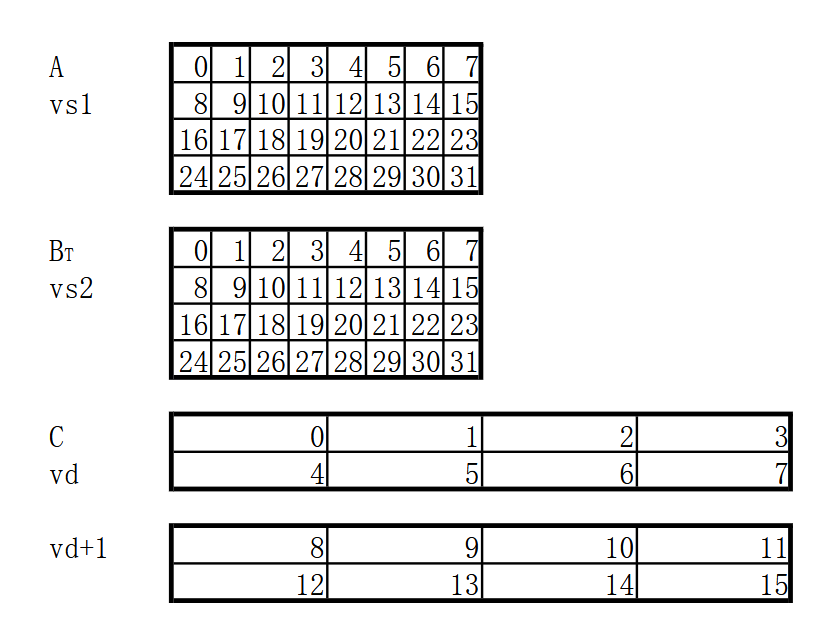 Figure 3. Example layout of 2D matrix tiles in
 vs1, vs2, and vd under
VLEN = 256, W = 4, and λ = 2.
Chapter 3 Differences Between the SpacemiT Matrix Extension Programming Model and Community Zvvm / Zvzip
As the community Zvvm extension was proposed relatively late, SpacemiT developed a custom AI instruction set earlier in its design cycle.
At present, the community Zvvm extension has not yet reached a stable specification. However, based on publicly available drafts, the SpacemiT custom AI extension shows a high degree of similarity to Zvvm, particularly in terms of programming model.
The table below summarizes the key differences between the community extensions and the SpacemiT Matrix Extension.
| Community Extension | Category | Community Approach | SpacemiT Matrix Extension |
|---|---|---|---|
Zvvm | CSR | vtype.lambda | Not implemented in vtype; conceptually compatible |
Zvvm | CSR | vtype.altfmt_A, vtype.altfmt_B | Not implemented in vtype; functionality encoded in instructions |
Zvvm | CSR | vtype.altfmt | Not implemented in vtype; A100 uses MCPM |
Zvvm | Data layout | A and C row-major, B column-major | Same |
Zvvm | Instruction | vmmacc | Not supported |
Zvvm | Instruction | vwmmacc | Not supported |
Zvvm | Instruction | vqwmmacc | smt.vmadot*, Int8 |
Zvvm | Instruction | v8wmmacc | smt.vmadot*, Int4 |
Zvvm | Instruction | vfmmacc | Not supported |
Zvvm | Instruction | vfwmmacc | smt.vfwmadot |
Zvvm | Instruction | vfqwmmacc | Not supported |
Zvvm | Instruction | vf8wmmacc | Not supported |
Zvvm | Instruction | vfwimmacc | smt.vmadot.hp*, Int8 with FP16/BF16 scale |
Zvvm | Instruction | vfqwimmacc (scale type e4m3) | smt.vmadot.hp*, Int4 with FP16/BF16 scale |
Zvvm | Instruction | vf8wimmacc (scale type e5m2) | Not supported |
Zvvm | Dedicated load/store | Zvvmtls extension | Not implemented; similar functionality can be achieved with vpack |
Zvvm | Specialized (convolution) | Not supported | Provides dedicated sliding-window convolution instructions |
Zvvm | Specialized (structured sparsity) | Not supported | Supports 4 structured sparsity |
Zvzip | Instruction | vzip.vv | smt.vpack.vv (functionally equivalent) |
Zvzip | Instruction | vunzipe.v | smt.vupack.vv (functionally equivalent) |
Zvzip | Instruction | vunzipo.v | smt.vupack.vv (functionally equivalent) |
Zvzip | Instruction | vpaire.vv | smt.vnpack.vv (functionally equivalent) |
Zvzip | Instruction | vpairo.vv | smt.vnpack.vv (functionally equivalent with vsrl.vv) |
Chapter 4 Instruction Overview, Sub-extensions, and Quick Index
4.1 Sub-extension Summary
| Sub-extension | Instruction Count | Representative Instructions | Input | Output / Accumulator | Special Resources |
|---|---|---|---|---|---|
Xsmti*i32mm (integer matrix multiplication) | 8 | smt.vmadot* | Int4 / Int8 | Int32 | None |
Xsmti*i32mm_slide (integer sliding-window matrix multiplication for convolution) | 12 | smt.vmadot1*, smt.vmadot2*, smt.vmadot3* | Int8 | Int32 | vs1 must be even-numbered |
Xsmti*i32mm_42sp (4 structured sparse integer matrix multiplication) | 8 | smt.vmadot.sp* | Int4 / Int8 | Int32 | v0 / v1, imm2 |
Xsmti**16mm_scl16f (integer matrix multiplication with block scaling) | 8 | smt.vmadot.hp* | Int4 / Int8 + scale | FP16 / BF16 | v0 / v1, imm3, MCPM.BF16 |
Xsmt*16fp32mm (floating-point matrix multiplication) | 1 | smt.vfwmadot | FP16 / BF16 | FP32 | MCPM.BF16 |
Xsmt*16fp32mm_slide (floating-point sliding-window matrix multiplication for convolution) | 3 | smt.vfwmadot1/2/3 | FP16 / BF16 | FP32 | vs1 must be even-numbered;MCPM.BF16 |
| Data layout transformation instructions | 6 | smt.vpack.vv, smt.vupack.vv, smt.vnpack.vv, smt.vnpack4.vv | Various | Various | imm2, SEW, LMUL |
4.2 signedness Variant Conventions
Integer matrix instructions in this extension use suffixes to indicate the signedness interpretation of operands A and B:
| Suffix | A | B | Result / Accumulator Interpretation |
|---|---|---|---|
| (none) | signed | signed | signed accumulation |
u | unsigned | unsigned | signed accumulation |
us | unsigned | signed | signed accumulation |
su | signed | unsigned | signed accumulation |
4.3 Native Mnemonic Index
Integer Matrix Multiplication Instructions (Base Path)
smt.vmadotsmt.vmadotusmt.vmadotussmt.vmadotsu
Integer Sliding-Window Matrix Multiplication (for Convolution)
smt.vmadot1smt.vmadot1usmt.vmadot1ussmt.vmadot1susmt.vmadot2smt.vmadot2usmt.vmadot2ussmt.vmadot2susmt.vmadot3smt.vmadot3usmt.vmadot3ussmt.vmadot3su
4 Structured Sparse Integer Matrix Multiplication
smt.vmadot.spsmt.vmadotu.spsmt.vmadotus.spsmt.vmadotsu.sp
Integer Matrix Multiplication with Block Scaling
smt.vmadot.hpsmt.vmadotu.hpsmt.vmadotus.hpsmt.vmadotsu.hp
Floating-Point Matrix Multiplication Instructions
smt.vfwmadotsmt.vfwmadot1smt.vfwmadot2smt.vfwmadot3
Data Layout Transformation Instructions
smt.vpack.vvsmt.vupack.vvsmt.vnpack.vvsmt.vnspack.vvsmt.vnpack4.vvsmt.vnspack4.vv
Chapter 5 Integer Matrix Multiplication Instructions
5.1 Integer Matrix Multiplication (Base Path): smt.vmadot*
5.1.1 Functional Overview
The base path performs integer dot-product operations with accumulation into 32-bit results:
$$ C \leftarrow C + A \times B^T $$
The geometric relationship of the matrix multiplication is illustrated in Figure 4, where the left side represents matrix A and the right side represents matrix B.
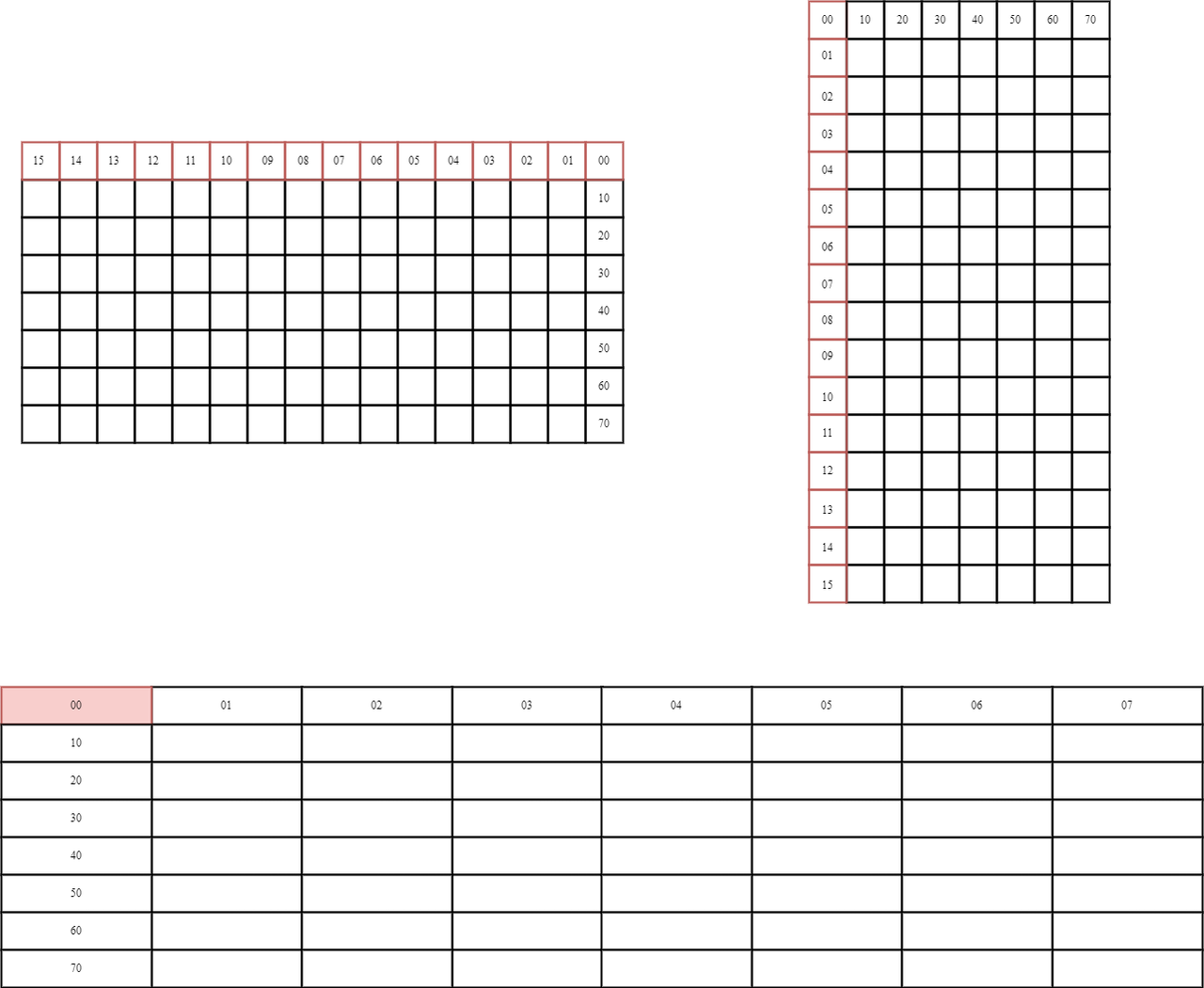 Figure 4. Matrix computation for
 smt.vmadot under
VLEN = 1024, λ = 4, W = 4, and LMUL = 1.
The left side shows the A tile, and the right side shows the B tile.
5.1.2 Instruction Variants
| Instruction | Assembly Format | Data Type Path | Tile (M × N × K) |
|---|---|---|---|
smt.vmadot | smt.vmadot vd, vs1, vs2, i4smt.vmadot vd, vs1, vs2, i8 | Int4 × Int4 → Int32Int8 × Int8 → Int32 | A60: Int8: 4 × 8 × 4;A100: Int4: 8 × 32 × 8;Int8: 8 × 16 × 8 |
smt.vmadotu | smt.vmadotu vd, vs1, vs2, i4smt.vmadotu vd, vs1, vs2, i8 | UInt4 × UInt4 → Int32UInt8 × UInt8 → Int32 | Same as above |
smt.vmadotus | smt.vmadotus vd, vs1, vs2, i4smt.vmadotus vd, vs1, vs2, i8 | UInt4 × Int4 → Int32UInt8 × Int8 → Int32 | Same as above |
smt.vmadotsu | smt.vmadotsu vd, vs1, vs2, i4smt.vmadotsu vd, vs1, vs2, i8 | Int4 × UInt4 → Int32Int8 × UInt8 → Int32 | Same as above |
5.1.3 Program-Visible Semantics
Int8 Path
if (SpineCoreArchID == A064) {
    M = N = 8; K = 16;
} else if (SpineCoreArchID == A03C) {
    M = N = 4; K = 8;
} else {
    unsupported_profile();
}

for (p = 0; p < (2 * VLEN * LMUL / 32); p++) {
    i = (p / M) * K;
    j = (p % N) * K;
    for (q = 0; q < K; q++) {
        vd[p] = vd[p] + vs1[i + q] * vs2[j + q];
    }
}Note: 0xA03C is the ArchID of A60, and 0xA064 is the ArchID of A100.
Int4 Path
if (SpineCoreArchID == A064) {
    M = N = 8; K = 16;
} else {
    unsupported_profile();
}

if (LMUL != 1) {
    illegal_instruction();
}

M = N = 8; K = 32;

for (p = 0; p < (2 * VLEN / 32); p++) {
    i = (p / M) * K;
    j = (p % N) * K;
    for (q = 0; q < K; q++) {
        vd[p] = vd[p] + vs1[i + q] * vs2[j + q];
    }
}
5.1.4 Illegal Conditions
LMUL ≠ 1in the Int8 pathLMUL ≠ 1in the Int4 pathvdis not an even-numbered register- The destination register group (
vd/vd+1) overlaps withvs1orvs2
5.1.5 Arithmetic Semantics
- The destination accumulation elements are interpreted as 32-bit integers
- Accumulation is performed within the destination bit width; software shall interpret the final results as 32-bit values
- No additional vector mask semantics are defined for this instruction class
5.1.6 Usage Example
// A60 usage example:
// MatrixA[4, 8]          x  MatrixB[8, 4]    =   MatrixC[4, 4]
//    [0 1 2 3 4 5  6  7]       [0 1 2 11]           [140 168 196 224]
//    [1 2 3 4 5 6  7  8]       [1 2 3  4]           [168 204 240 284]
//    [2 3 4 5 6 7  8  9]       [2 3 4  5]           [196 240 284 344]
//    [4 5 6 7 8 9 10 11]       [3 4 5  6]           [252 312 372 464]
//                              [4 5 6  7]
//                              [5 6 7  8]
//                              [6 7 8  9]
//                              [7 8 9 10]

#include <stdio.h>
#include <stdint.h>

void matmul(const int8_t *A, const int8_t *B, int32_t *C) {
    __asm__ volatile(
        "vsetvli        t0, zero, e8, m1          \n\t"
        "vle8.v         v0, (%[A])                \n\t"
        "vle8.v         v1, (%[B])                \n\t"
        "smt.vmadot         v16, v0, v1               \n\t"
        "vsetvli        t0, zero, e32, m2         \n\t"
        "vse32.v        v16, (%[C])               \n\t"
        : [ A ] "+r"(A), [ B ] "+r"(B), [ C ] "+r"(C)
        :
        : "cc");
}

int main()
{
    printf("Test Start.\n");
    // Init the matrixA, matrixB and matrixC.
    int8_t A[32] = {0, 1, 2, 3, 4, 5, 6, 7,
                    1, 2, 3, 4, 5, 6, 7, 8,
                    2, 3, 4, 5, 6, 7, 8, 9,
                    4, 5, 6, 7, 8, 9, 10, 11};
    int8_t B[32] = {0, 1, 2, 3, 4, 5, 6, 7,
                    1, 2, 3, 4, 5, 6, 7, 8,
                    2, 3, 4, 5, 6, 7, 8, 9,
                    11, 4, 5, 6, 7, 8, 9, 10};
    int32_t C[32] = {0, 0, 0, 0,
                     0, 0, 0, 0,
                     0, 0, 0, 0,
                     0, 0, 0, 0};

    // Call the FUNCTION
    matmul(A, B, C);

    // Print the OUTPUT
    for(int32_t iter_i=0; iter_i<4; iter_i++){
        for(int32_t iter_j=0; iter_j<4; iter_j++){
            printf("%d \t", C[iter_i*4 + iter_j]);
        }
        printf(" \n");
    }
    printf("Test End.\n");
    return 0;
}
5.2 Integer Sliding-Window Matrix Multiplication for Convolution: smt.vmadot1* / smt.vmadot2* / smt.vmadot3*
5.2.1 Functional Overview
This sliding-window path supports Int8 inputs only.
Its computation is identical to the base Int8 matrix multiplication, except that operand A is accessed with a fixed sliding-window offset.
Figure 5 illustrates the window movement for slide = 1 / 2 / 3, as well as how elements are assembled when the window spans across vs1 and vs1+1.
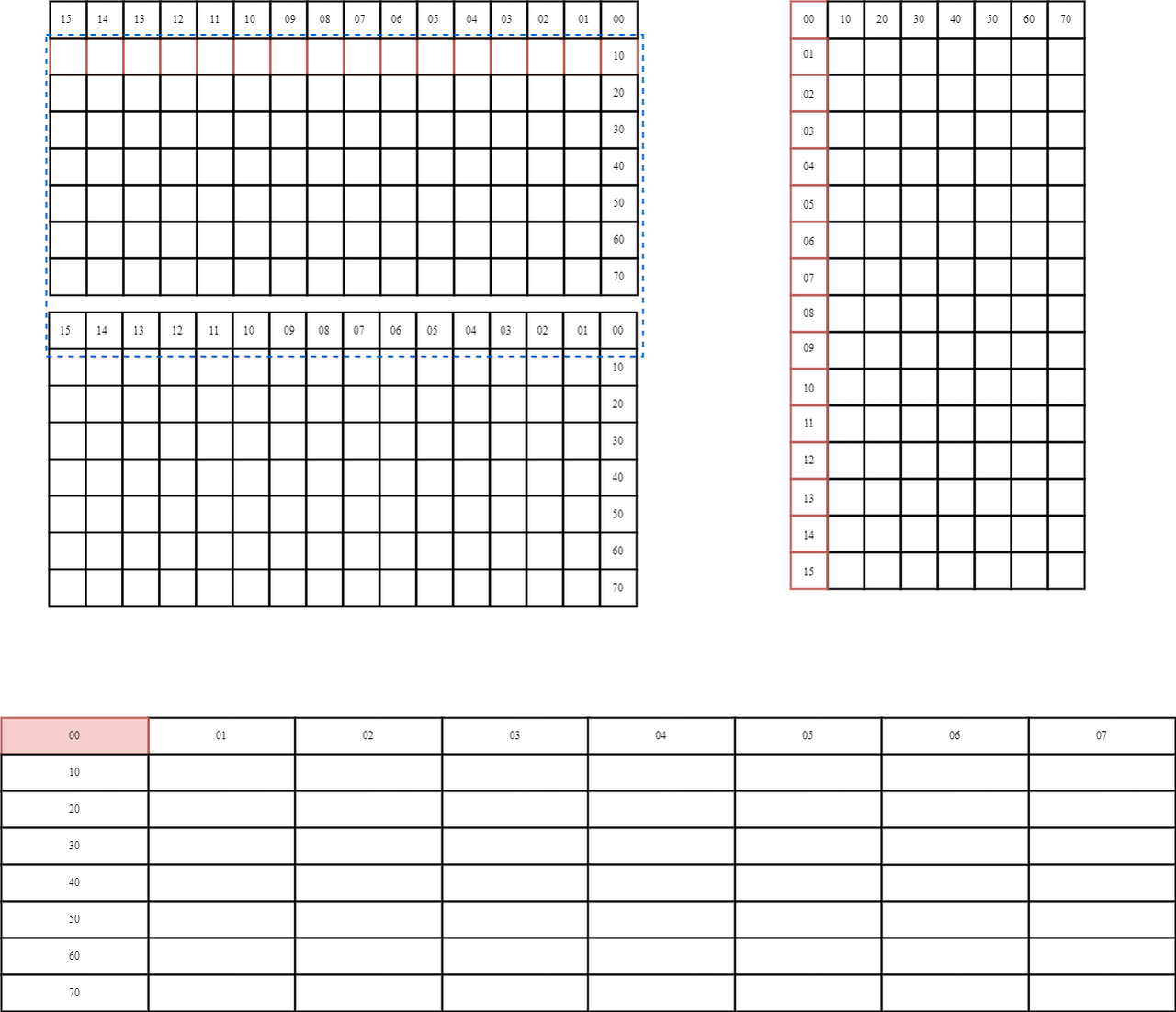 Figure 5. Sliding-window data access and computation for
 smt.vmadot1 (i.e., slide = 1) under
VLEN = 1024, λ = 4, W = 4, and LMUL = 1.
5.2.2 Instruction Variants
| Instruction Class | Variants | Assembly Format | slide | Data Type Path | Tile |
|---|---|---|---|---|---|
smt.vmadot1* | smt.vmadot1,smt.vmadot1u,smt.vmadot1us,smt.vmadot1su | smt.vmadot1 vd, vs1, vs2, i8smt.vmadot1u vd, vs1, vs2, i8smt.vmadot1us vd, vs1, vs2, i8smt.vmadot1su vd, vs1, vs2, i8 | 1 | [U]Int8 × [U]Int8 → Int32 | A60: 4 × 8 × 4A100: 8 × 16 × 8 |
smt.vmadot2* | smt.vmadot2,smt.vmadot2u,smt.vmadot2us,smt.vmadot2su | smt.vmadot2 vd, vs1, vs2, i8smt.vmadot2u vd, vs1, vs2, i8smt.vmadot2us vd, vs1, vs2, i8smt.vmadot2su vd, vs1, vs2, i8 | 2 | Same as above | Same as above |
smt.vmadot3* | smt.vmadot3,smt.vmadot3u,smt.vmadot3us,smt.vmadot3su | smt.vmadot3 vd, vs1, vs2, i8smt.vmadot3u vd, vs1, vs2, i8smt.vmadot3us vd, vs1, vs2, i8smt.vmadot3su vd, vs1, vs2, i8 | 3 | Same as above | Same as above |
5.2.3 Program-Visible Semantics
if (SpineCoreArchID == A064) {
    M = N = 8; K = 16;
} else if (SpineCoreArchID == A03C) {
    M = N = 4; K = 8;
} else {
    unsupported_profile();
}

slide *= K;

for (p = 0; p < (2 * VLEN * LMUL / 32); p++) {
    i = (p / M) * K;
    j = (p % N) * K;
    for (q = 0; q < K; q++) {
        vd[p] = vd[p] + vs1[i + q + slide] * vs2[j + q];
    }
}
5.2.4 Illegal Conditions
LMUL != 1vdis not an even-numbered register- The destination register group (
vd/vd+1) overlaps with source registers
5.2.5 Arithmetic Notes
- The destination accumulation elements are interpreted as 32-bit integers
- Accumulation is performed within the destination bit width; software shall interpret the final results as 32-bit values
- No additional vector mask semantics are defined for this instruction class
- The sliding-window offset is applied only to operand
A
5.2.6 Usage Example
/*********************** A60 Example ************************
* MatrixA(feature)
*     [0 1 2 3  4  5  6  7]
*     [1 2 3 4  5  6  7  8]
*     [2 3 4 5  6  7  8  9]
*     [4 5 6 7  8  9 10 11]
*     [5 6 7 8  9 10 11 12]
*     [6 7 8 9 10 11 12 13]
*
*  "smt.vmadot     v16, v0, v8             \n\t"
*  MatrixA[4, 8]         × MatrixB[8, 4]    = MatrixC[4, 4]
*     [0 1 2 3 4 5  6  7]       [0 1 2 11]           [140 168 196 224]
*     [1 2 3 4 5 6  7  8]       [1 2 3  4]           [168 204 240 284]
*     [2 3 4 5 6 7  8  9]       [2 3 4  5]           [196 240 284 344]
*     [4 5 6 7 8 9 10 11]       [3 4 5  6]           [252 312 372 464]
*                               [4 5 6  7]
*                               [5 6 7  8]
*                               [6 7 8  9]
*                               [7 8 9 10]
*
*  "smt.vmadot1    v16, v0, v8             \n\t"
*  MatrixA[4, 8]         × MatrixB[8, 4]  + MatrixC[4, 4] = MatrixC[4, 4]
*     [1 2 3 4 5  6  7  8]      [0 1 2 11]           [308 372 436 224]
*     [2 3 4 5 6  7  8  9]      [1 2 3  4]           [364 444 524 628]
*     [4 5 6 7 8  9 10 11]      [2 3 4  5]           [448 552 656 808]
*     [5 6 7 8 9 10 11 12]      [3 4 5  6]           [532 660 788 988]
*                               [4 5 6  7]
*                               [5 6 7  8]
*                               [6 7 8  9]
*                               [7 8 9 10]
*
*  "smt.vmadot2     v16, v0, v8            \n\t"
* MatrixA[4, 8]         × MatrixB[8, 4]  + MatrixC[4, 4] = MatrixC[4, 4]
*     [2 3 4 5 6  7  8   9]     [0 1 2 11]           [504  612  720  852]
*     [4 5 6 7 8  9  10 11]     [1 2 3  4]           [616  756  896 1092]
*     [5 6 7 8 9  10 11 12]     [2 3 4  5]           [728  900 1072 1332]
*     [6 7 8 9 10 11 12 13]     [3 4 5  6]           [840 1044 1248 1572]
*                               [4 5 6  7]
*                               [5 6 7  8]
*                               [6 7 8  9]
*                               [7 8 9 10]
******************************************************/
#include <stdio.h>
#include <stdint.h>

void conv1d(const int8_t *feature, const int8_t *weight, int32_t *output) {
    __asm__ volatile(
        "vsetvli    t0, zero, e8, m1        \n\t"
        "vle8.v     v0, (%[A])              \n\t"
        "addi       %[A], %[A], 4*8         \n\t"
        "vle8.v     v1, (%[A])              \n\t"
        "addi       %[A], %[A], 4*8         \n\t"
        "vle8.v     v8, (%[B])              \n\t"
        "addi       %[B], %[B], 4*8         \n\t"
        "smt.vmadot     v16, v0, v8             \n\t"
        "smt.vmadot1    v16, v0, v8             \n\t"
        "smt.vmadot2    v16, v0, v8             \n\t"
        "vsetvli    t0, zero, e32, m2       \n\t"
        "vse32.v    v16, (%[C])             \n\t"

        : [A] "+r"(feature), [ B ] "+r"(weight), [ C ] "+r"(output)
        :
        : "cc");
}

int main()
{
    printf("Test Start.\n");
    // Init the matrixA, matrixB and matrixC.
    int8_t A[64] = {0, 1, 2, 3,  4,  5,  6,  7,
                    1, 2, 3, 4,  5,  6,  7,  8,
                    2, 3, 4, 5,  6,  7,  8,  9,
                    4, 5, 6, 7,  8,  9, 10, 11,
                    5, 6, 7, 8,  9, 10, 11, 12,
                    6, 7, 8, 9, 10, 11, 12, 13,
                    0, 0, 0, 0,  0,  0,  0,  0,
                    0, 0, 0, 0,  0,  0,  0,  0};
    int8_t B[32] = {0, 1, 2, 3, 4, 5, 6, 7,
                    1, 2, 3, 4, 5, 6, 7, 8,
                    2, 3, 4, 5, 6, 7, 8, 9,
                    11, 4, 5, 6, 7, 8, 9, 10};
    int32_t C[32] = {0, 0, 0, 0,
                     0, 0, 0, 0,
                     0, 0, 0, 0,
                     0, 0, 0, 0};

    // Call the FUNCTION
    conv1d(A, B, C);

    // Print the OUTPUT
    for(int32_t iter_i=0; iter_i<4; iter_i++){
        for(int32_t iter_j=0; iter_j<4; iter_j++){
            printf("%d \t", C[iter_i*4 + iter_j]);
        }
        printf(" \n");
    }
    printf("Test End.\n");
    return 0;
}
5.3 4 Structured Sparse Integer Matrix Multiplication: smt.vmadot.sp*
5.3.1 Functional Overview
This instruction set defines 4
structured sparse integer matrix multiplication. In this path, for every group of four source elements from operandA, two valid elements are reconstructed according to a 4-bit mask. These reconstructed values are then used to perform dot-product operations with B, with accumulation into a 32-bit destination.
Figure 6 illustrates the 4
structured sparsity reconstruction process, showing how two valid elements are selected from each group of four candidates based on the mask.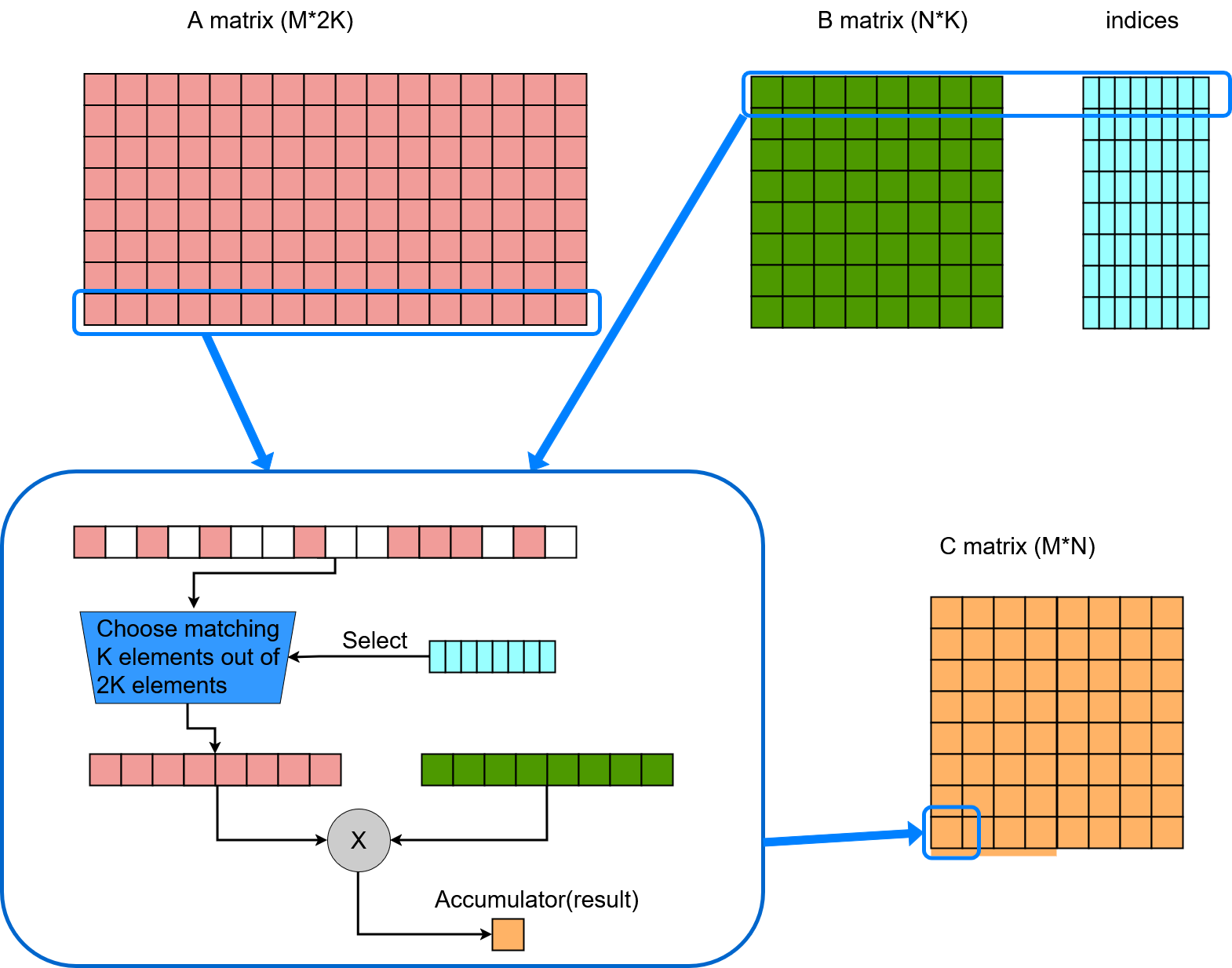 Figure 6. Sparse reconstruction and multiply-accumulate flow for
smt.vmadot.sp v16, v2, v8, v0, i8 under
VLEN = 1024, λ = 4, W = 4, and LMUL = 1.
5.3.2 Instruction Variants
| Instruction | Assembly Format | Data Type Path | Mask Register | Selection Field | Tile |
|---|---|---|---|---|---|
smt.vmadot.sp | smt.vmadot.sp vd, vs1, vs2, v0/v1, imm2, i4smt.vmadot.sp vd, vs1, vs2, v0/v1, imm2, i8 | Int4 × Int4 → Int32Int8 × Int8 → Int32 | V0 / V1 | imm2 | Int4: 8 × 64 × 8;Int8: 8 × 32 × 8 |
smt.vmadotu.sp | smt.vmadotu.sp vd, vs1, vs2, v0/v1, imm2, i4smt.vmadotu.sp vd, vs1, vs2, v0/v1, imm2, i8 | UInt4 × UInt4 → Int32UInt8 × UInt8 → Int32 | Same as above | Same as above | Same as above |
smt.vmadotus.sp | smt.vmadotus.sp vd, vs1, vs2, v0/v1, imm2, i4smt.vmadotus.sp vd, vs1, vs2, v0/v1, imm2, i8 | UInt4 × Int4 → Int32UInt8 × Int8 → Int32 | Same as above | Same as above | Same as above |
smt.vmadotsu.sp | smt.vmadotsu.sp vd, vs1, vs2, v0/v1, imm2, i4smt.vmadotsu.sp vd, vs1, vs2, v0/v1, imm2, i8 | Int4 × UInt4 → Int32Int8 × UInt8 → Int32 | Same as above | Same as above | Same as above |
5.3.3 Valid Mask Values
The following 4-bit mask values are defined as valid reconstruction patterns:
0b'10010b'10100b'11000b'01010b'01100b'0011
For all mask values other than the six valid patterns listed above, smt.vmadot.sp* shall not select any elements from the source group.
In such cases, the reconstructed values shall be treated as zero (i.e., equivalent to vs1_tmp1 = 0 and vs1_tmp2 = 0).
5.3.4 Program-Visible Semantics
Int8 Path
if (SpineCoreArchID != A064) {
    unsupported_profile();
}
if (LMUL != 1) {
    illegal_instruction();
}

M = N = 8; K = 32;
vmask_tmp = vmask[imm2];

for (p = 0; p < (2 * LMUL * VLEN / 32); p++) {
    i = (p / M) * (2 * K);
    j = (p % N) * K;

    for (q = 0; q < (K / 2); q++) {
        switch (vmask_tmp[j/2 + q]) {
            case 0b1001: vs1_tmp1 = vs1[i + 4*q + 0]; vs1_tmp2 = vs1[i + 4*q + 3]; break;
            case 0b1010: vs1_tmp1 = vs1[i + 4*q + 1]; vs1_tmp2 = vs1[i + 4*q + 3]; break;
            case 0b1100: vs1_tmp1 = vs1[i + 4*q + 2]; vs1_tmp2 = vs1[i + 4*q + 3]; break;
            case 0b0101: vs1_tmp1 = vs1[i + 4*q + 0]; vs1_tmp2 = vs1[i + 4*q + 2]; break;
            case 0b0110: vs1_tmp1 = vs1[i + 4*q + 1]; vs1_tmp2 = vs1[i + 4*q + 2]; break;
            case 0b0011: vs1_tmp1 = vs1[i + 4*q + 0]; vs1_tmp2 = vs1[i + 4*q + 1]; break;
            default:     vs1_tmp1 = 0;              vs1_tmp2 = 0;              break;
        }

        vd[p] = vd[p] + vs2[j + 2*q] * vs1_tmp1;
        vd[p] = vd[p] + vs2[j + 2*q + 1] * vs1_tmp2;
    }
}
In the Int8 pseudocode above, the default branch defines the normative behavior for all mask values outside the six valid patterns: no elements are selected, and the contribution is treated as zero in the subsequent multiply-accumulate operations.
Int4 path
The following semantics are derived from the current implementation. If future specifications provide a more precise definition, those should take precedence.
if (SpineCoreArchID != A064) {
    unsupported_profile();
}
if (LMUL != 1) {
    illegal_instruction();
}

M = N = 8; K = 64;
vmask_tmp = vmask[imm2];

for (p = 0; p < (2 * LMUL * VLEN / 32); p++) {
    i = (p / M) * (2 * K);
    j = (p % N) * K;

    for (q = 0; q < (K / 2); q++) {
        switch (vmask_tmp[j/2 + q]) {
            case 0b1001: vs1_tmp1 = vs1[i + 4*q + 0]; vs1_tmp2 = vs1[i + 4*q + 3]; break;
            case 0b1010: vs1_tmp1 = vs1[i + 4*q + 1]; vs1_tmp2 = vs1[i + 4*q + 3]; break;
            case 0b1100: vs1_tmp1 = vs1[i + 4*q + 2]; vs1_tmp2 = vs1[i + 4*q + 3]; break;
            case 0b0101: vs1_tmp1 = vs1[i + 4*q + 0]; vs1_tmp2 = vs1[i + 4*q + 2]; break;
            case 0b0110: vs1_tmp1 = vs1[i + 4*q + 1]; vs1_tmp2 = vs1[i + 4*q + 2]; break;
            case 0b0011: vs1_tmp1 = vs1[i + 4*q + 0]; vs1_tmp2 = vs1[i + 4*q + 1]; break;
            default:     vs1_tmp1 = 0;              vs1_tmp2 = 0;              break;
        }

        vd[p] = vd[p] + vs2[j + 2*q] * vs1_tmp1;
        vd[p] = vd[p] + vs2[j + 2*q + 1] * vs1_tmp2;
    }
}
In the Int4 pseudocode above, the default branch is consistent with the Int8 path and defines the same normative behavior: for any mask value outside the six valid patterns, the contribution is treated as zero.
5.3.5 Illegal Conditions
LMUL != 1;Vdis not an even-numbered register;Vd/Vd+1overlaps with source registers;- Invalid mask register selection;
imm2selects a mask segment outside the implementation-defined range;
5.3.6 Arithmetic Notes
- The destination accumulation lanes are interpreted as 32-bit integers;
- Accumulation is performed within the target bit width, and software shall interpret the final results as 32-bit values;
V0/V1are used as sparse reconstruction parameter registers;
5.3.7 Usage Example
/*********************** A100 Example ************************
* MatrixA(feature, sparse M8*K32)
* Vn:     [[ 0  1  2  3  4  5  6  7  8  9 10 11 12 13 14 15]
*          [16 17 18 19 20 21 22 23 24 25 26 27 28 29 30 31]
*          [ 1  2  3  4  5  6  7  8  9 10 11 12 13 14 15 16]
*          [17 18 19 20 21 22 23 24 25 26 27 28 29 30 31 32]
*          [ 2  3  4  5  6  7  8  9 10 11 12 13 14 15 16 17]
*          [18 19 20 21 22 23 24 25 26 27 28 29 30 31 32 33]
*          [ 3  4  5  6  7  8  9 10 11 12 13 14 15 16 17 18]
*          [18 19 20 21 22 23 24 25 26 27 28 29 30 31 32 33]]
* V(n+1): [[ 4  5  6  7  8  9 10 11 12 13 14 15 16 17 18 19]
*          [19 20 21 22 23 24 25 26 27 28 29 30 31 32 33 34]
*          [ 5  6  7  8  9 10 11 12 13 14 15 16 17 18 19 20]
*          [20 21 22 23 24 25 26 27 28 29 30 31 32 33 34 35]
*          [ 6  7  8  9 10 11 12 13 14 15 16 17 18 19 20 21]
*          [21 22 23 24 25 26 27 28 29 30 31 32 33 34 35 36]
*          [ 7  8  9 10 11 12 13 14 15 16 17 18 19 20 21 22]
*          [22 23 24 25 26 27 28 29 30 31 32 33 34 35 36 37]]
*
* MatrixB (weight, compressed M8 × K16)
*          [0  1  2  3  4  5  6  7  8  9 10 11 12 13 14 15]
*          [1  2  3  4  5  6  7  8  9 10 11 12 13 14 15 16]
*          [2  3  4  5  6  7  8  9 10 11 12 13 14 15 16 17]
*          [3  4  5  6  7  8  9 10 11 12 13 14 15 16 17 18]
*          [4  5  6  7  8  9 10 11 12 13 14 15 16 17 18 19]
*          [5  6  7  8  9 10 11 12 13 14 15 16 17 18 19 20]
*          [6  7  8  9 10 11 12 13 14 15 16 17 18 19 20 21]
*          [7  8  9 10 11 12 13 14 15 16 17 18 19 20 21 22]
*
* Sparse parameter of Matrix B(M8*K32 in binary)
* V0/V1    [0x99 0x99 0x99 0x99 0xAA 0xAA 0xAA 0xAA 0xCC 0xCC 0xCC 0xCC 0x55 0x55 0x55 0x55]
*          [0x66 0x66 0x66 0x66 0x33 0x33 0x33 0x33 0x99 0x99 0x99 0x99 0xAA 0xAA 0xAA 0xAA]
*          [...                                                                            ]
*          [...                                                                            ]
*          [...                                                                            ]
*          [...                                                                            ]
*          [...                                                                            ]
*          [...                                                                            ]
*
*  "smt.vmadot.sp     v16, v2, v8, v0, 0, i8            \n\t"
*  MatrixA[8, 32] × Recover(compressed MatrixBt[8, 16], v0[0 : 511]) = MatrixC[8, 8]
*     [0 1 ... 30 31]        [0 0 0 1 ... 14  0  0 15]           [2544, 2856, 3184, 3200, 3528, 3576, 4032, 4322,]
*     [1 2 ... 31 32]        [1 0 2 0 ... 15  0 16  0]           [2664, 2992, 3336, 3368, 3712, 3776, 4248, 4544,]
*     [2 3 ... 32 33]        [2 3 0 0 ... 16 17  0  0]           [2784, 3128, 3488, 3536, 3896, 3976, 4464, 4766,]
*     [3 4 ... 33 34]        [0 3 0 4 ...  0 17  0 18]           [2812, 3164, 3532, 3588, 3956, 4044, 4540, 4840,]
*     [4 5 ... 34 35]        [0 4 5 0 ...  0 18 19  0]           [2932, 3300, 3684, 3756, 4140, 4244, 4756, 5062,]
*     [5 6 ... 35 36]        [0 0 5 6 ...  0  0 19 20]           [3052, 3436, 3836, 3924, 4324, 4444, 4972, 5284,]
*     [6 7 ... 36 37]        [6 0 0 7 ... 20  0  0 21]           [3172, 3572, 3988, 4092, 4508, 4644, 5188, 5506,]
*     [7 8 ... 37 38]        [7 0 8 0 ... 21  0 22  0]           [3292, 3708, 4140, 4260, 4692, 4844, 5404, 5728 ]
******************************************************/
#include <stdio.h>
#include <stdint.h>

void spgemm(const int8_t *feature, const int8_t *weight, const int8_t *sparse, int32_t *output) {
    __asm__ volatile(
        "vsetvli    t0, zero, e8, m1        \n\t"
        "vle8.v     v2, (%[A])              \n\t"
        "addi       %[A], %[A], 8*16        \n\t"
        "vle8.v     v3, (%[A])              \n\t"
        "addi       %[A], %[A], 8*16        \n\t"
        "vle8.v     v8, (%[B])              \n\t"
        "addi       %[B], %[B], 8*16        \n\t"
        "vle8.v     v0, (%[B_sp])           \n\t"
        "smt.vmadot.sp  v16, v2, v8, v0, 0, i8  \n\t"
        "vsetvli    t0, zero, e32, m2       \n\t"
        "vse32.v    v16, (%[C])             \n\t"

        : [A] "+r"(feature), [ B ] "+r"(weight), [ B_sp ] "+r"(sparse), [ C ] "+r"(output)
        :
        : "cc");
}

int main()
{
    printf("Test Start.\n");
    // Init the matrixA, matrixB and matrixC.
    int8_t A[8*32] = { 0,  1,  2,  3,  4,  5,  6,  7,  8,  9, 10, 11, 12, 13, 14, 15,
                    16, 17, 18, 19, 20, 21, 22, 23, 24, 25, 26, 27, 28, 29, 30, 31,
                     1,  2,  3,  4,  5,  6,  7,  8,  9, 10, 11, 12, 13, 14, 15, 16,
                    17, 18, 19, 20, 21, 22, 23, 24, 25, 26, 27, 28, 29, 30, 31, 32,
                     2,  3,  4,  5,  6,  7,  8,  9, 10, 11, 12, 13, 14, 15, 16, 17,
                    18, 19, 20, 21, 22, 23, 24, 25, 26, 27, 28, 29, 30, 31, 32, 33,
                     3,  4,  5,  6,  7,  8,  9, 10, 11, 12, 13, 14, 15, 16, 17, 18,
                    18, 19, 20, 21, 22, 23, 24, 25, 26, 27, 28, 29, 30, 31, 32, 33,
                     4,  5,  6,  7,  8,  9, 10, 11, 12, 13, 14, 15, 16, 17, 18, 19,
                    19, 20, 21, 22, 23, 24, 25, 26, 27, 28, 29, 30, 31, 32, 33, 34,
                     5,  6,  7,  8,  9, 10, 11, 12, 13, 14, 15, 16, 17, 18, 19, 20,
                    20, 21, 22, 23, 24, 25, 26, 27, 28, 29, 30, 31, 32, 33, 34, 35,
                     6,  7,  8,  9, 10, 11, 12, 13, 14, 15, 16, 17, 18, 19, 20, 21,
                    21, 22, 23, 24, 25, 26, 27, 28, 29, 30, 31, 32, 33, 34, 35, 36,
                     7,  8,  9, 10, 11, 12, 13, 14, 15, 16, 17, 18, 19, 20, 21, 22,
                    22, 23, 24, 25, 26, 27, 28, 29, 30, 31, 32, 33, 34, 35, 36, 37};
    int8_t B[8*16] = {0, 1, 2, 3,  4,  5,  6,  7,  8,  9, 10, 11, 12, 13, 14, 15,
                      1, 2, 3, 4,  5,  6,  7,  8,  9, 10, 11, 12, 13, 14, 15, 16,
                      2, 3, 4, 5,  6,  7,  8,  9, 10, 11, 12, 13, 14, 15, 16, 17,
                      3, 4, 5, 6,  7,  8,  9, 10, 11, 12, 13, 14, 15, 16, 17, 18,
                      4, 5, 6, 7,  8,  9, 10, 11, 12, 13, 14, 15, 16, 17, 18, 19,
                      5, 6, 7, 8,  9, 10, 11, 12, 13, 14, 15, 16, 17, 18, 19, 20,
                      6, 7, 8, 9, 10, 11, 12, 13, 14, 15, 16, 17, 18, 19, 20, 21,
                      7, 8, 9, 0, 11, 12, 13, 14, 15, 16, 17, 18, 19, 20, 21, 22};
    int8_t B_sparse[8*4] = {0x99, 0x99, 0x99, 0x99, 0xAA, 0xAA, 0xAA, 0xAA,
                        0xCC, 0xCC, 0xCC, 0xCC, 0x55, 0x55, 0x55, 0x55,
                        0x66, 0x66, 0x66, 0x66, 0x33, 0x33, 0x33, 0x33,
                        0x99, 0x99, 0x99, 0x99, 0xAA, 0xAA, 0xAA, 0xAA};
    int32_t C[64] = {0, 0, 0, 0, 0, 0, 0, 0,
                     0, 0, 0, 0, 0, 0, 0, 0,
                     0, 0, 0, 0, 0, 0, 0, 0,
                     0, 0, 0, 0, 0, 0, 0, 0,
                     0, 0, 0, 0, 0, 0, 0, 0,
                     0, 0, 0, 0, 0, 0, 0, 0,
                     0, 0, 0, 0, 0, 0, 0, 0,
                     0, 0, 0, 0, 0, 0, 0, 0};

    // Call the FUNCTION
    spgemm(A, B, B_sparse, C);

    // Print the OUTPUT
    for(int32_t iter_i=0; iter_i<8; iter_i++){
        for(int32_t iter_j=0; iter_j<8; iter_j++){
            printf("%d \t", C[iter_i*8 + iter_j]);
        }
        printf(" \n");
    }
    printf("Test End.\n");
    return 0;
}
5.4 Integer Matrix Multiplication for Block Quantization: smt.vmadot.hp*
5.4.1 Functional Overview
The high-precision reconstruction path first performs an integer dot product, then applies a floating-point scale factor, and finally accumulates into a floating-point destination:
$$ C \leftarrow (A \times B) \times S + C $$
This instruction set defines a mixed-precision computation path for block quantization. The destination type is FP16 or BF16, not Int32.
Figure 7 illustrates the computation flow of this path.
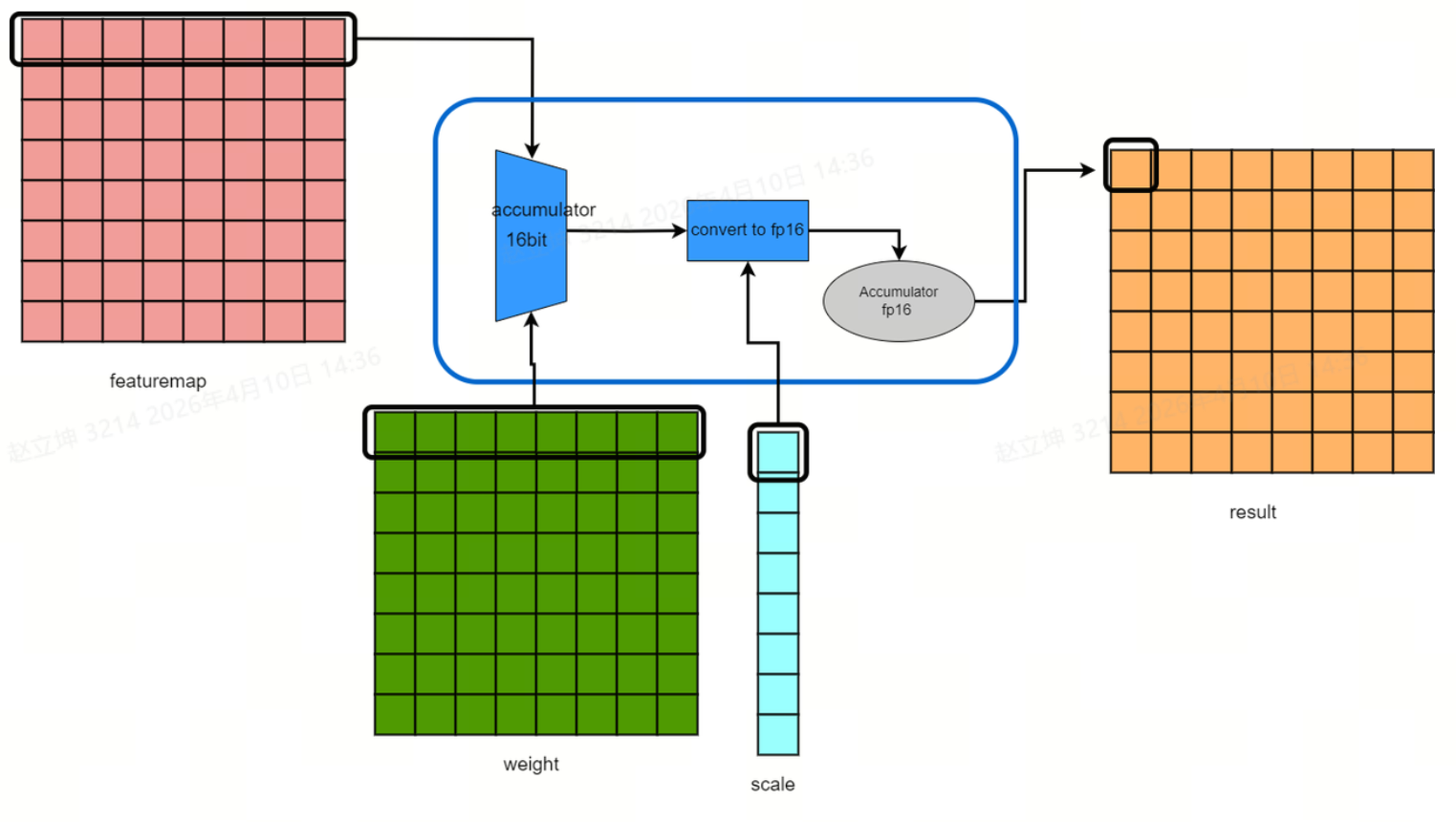 Figure 7. Computation flow of
 smt.vmadot.hp v16, v2, v8, v0, i8 under VLEN=1024, λ=8, W=2, LMUL=1.
5.4.2 Instruction Variants
| Instruction | Assembly Format | Data Type Path | Scale Source | Selection Field | Tile |
|---|---|---|---|---|---|
smt.vmadot.hp | smt.vmadot.hp vd, vs1, vs2, v0/v1, imm3, i4smt.vmadot.hp vd, vs1, vs2, v0/v1, imm3, i8 | (Int4 × Int4) * FP16 → FP16(Int4 × Int4) * BF16 → BF16(Int8 × Int8) * FP16 → FP16(Int8 × Int8) * BF16 → BF16 | V0 / V1 | imm3 | Int4: 8 × 32 × 8;Int8: 8 × 16 × 8 |
smt.vmadotu.hp | smt.vmadotu.hp vd, vs1, vs2, v0/v1, imm3, i4smt.vmadotu.hp vd, vs1, vs2, v0/v1, imm3, i8 | (UInt4 × UInt4) * FP16 → FP16(UInt4 × UInt4) * BF16 → BF16(UInt8 × UInt8) * FP16 → FP16(UInt8 × UInt8) * BF16 → BF16 | Same as above | Same as above | Same as above |
smt.vmadotus.hp | smt.vmadotus.hp vd, vs1, vs2, v0/v1, imm3, i4smt.vmadotus.hp vd, vs1, vs2, v0/v1, imm3, i8 | (UInt4 × Int4) * FP16 → FP16(UInt4 × Int4) * BF16 → BF16(UInt8 × Int8) * FP16 → FP16(UInt8 × Int8) * BF16 → BF16 | Same as above | Same as above | Same as above |
smt.vmadotsu.hp | smt.vmadotsu.hp vd, vs1, vs2, v0/v1, imm3, i4smt.vmadotsu.hp vd, vs1, vs2, v0/v1, imm3, i8 | (Int4 × UInt4) * FP16 → FP16(Int4 × UInt4) * BF16 → BF16(Int8 × UInt8) * FP16 → FP16(Int8 × UInt8) * BF16 → BF16 | Same as above | Same as above | Same as above |
5.4.3 Program-Visible Semantics
Int8 Path
if (LMUL != 1) {
    illegal_instruction();
}

M = N = 8; K = 16;

for (p = 0; p < (VLEN / 16); p++) {
    i = (p / M) * K;
    j = (p % N) * K;
    fp16_or_bf16 scale = vscale[imm3 * N + (p % N)];
    Int32 tmp = 0;

    for (q = 0; q < K; q++) {
        tmp = tmp + vs1[i + q] * vs2[j + q];
    }

    vd[p] += (fp16_or_bf16)tmp * scale;
}
Int4 Path
The following semantics are derived from the current implementation. If future specifications provide a more precise definition, those should take precedence.
if (LMUL != 1) {
    illegal_instruction();
}

M = N = 8; K = 32;

for (p = 0; p < (VLEN / 16); p++) {
    i = (p / M) * K;
    j = (p % N) * K;
    fp16_or_bf16 scale = vscale[imm3 * N + (p % N)];
    Int32 tmp = 0;

    for (q = 0; q < K; q++) {
        tmp = tmp + vs1[i + q] * vs2[j + q];
    }

    vd[p] += (fp16_or_bf16)tmp * scale;
}
5.4.4 Scale and Format Interpretation
- The scale parameters are sourced from
V0orV1; imm3selects one of eight scale groups;- When
MCPM.BF16 = 0, both the scale and destination are interpreted as FP16; - When
MCPM.BF16 = 1, both the scale and destination are interpreted as BF16.
In the pseudocode above, fp16_or_bf16 denotes a 16-bit floating-point format determined by MCPM.BF16.
5.4.5 Illegal Conditions
LMUL != 1;Vdoverlaps withVs1orVs2;- Invalid scale register selection;
imm3selects a scale group outside the implementation-defined range;
5.4.6 Arithmetic Notes
- The destination accumulation type is FP16 or BF16, not Int32;
- Accumulation is performed within the destination precision, and software shall interpret the final result as a 16-bit floating-point value;
V0/V1serve as scale parameter registers for the block-quantized path;- This is a mixed-precision path (“integer inputs + floating-point reconstruction”), not a standard integer accumulation path.
5.4.7 Usage Example
/*********************** A100 Example ************************
* MatrixA(feature, sparse M8*K16)
*          [0  1  2  3  4  5  6  7  8  9 10 11 12 13 14 15]
*          [1  2  3  4  5  6  7  8  9 10 11 12 13 14 15 16]
*          [2  3  4  5  6  7  8  9 10 11 12 13 14 15 16 17]
*          [3  4  5  6  7  8  9 10 11 12 13 14 15 16 17 18]
*          [4  5  6  7  8  9 10 11 12 13 14 15 16 17 18 19]
*          [5  6  7  8  9 10 11 12 13 14 15 16 17 18 19 20]
*          [6  7  8  9 10 11 12 13 14 15 16 17 18 19 20 21]
*          [7  8  9 10 11 12 13 14 15 16 17 18 19 20 21 22]
*
* MatrixB (weight, dense M8 × K16)
*          [0  1  2  3  4  5  6  7  8  9 10 11 12 13 14 15]
*          [1  2  3  4  5  6  7  8  9 10 11 12 13 14 15 16]
*          [2  3  4  5  6  7  8  9 10 11 12 13 14 15 16 17]
*          [3  4  5  6  7  8  9 10 11 12 13 14 15 16 17 18]
*          [4  5  6  7  8  9 10 11 12 13 14 15 16 17 18 19]
*          [5  6  7  8  9 10 11 12 13 14 15 16 17 18 19 20]
*          [6  7  8  9 10 11 12 13 14 15 16 17 18 19 20 21]
*          [7  8  9 10 11 12 13 14 15 16 17 18 19 20 21 22]
*
* Scale parameters of Matrix B (N = 8, FP16)
* V0/V1    [1.0, 2.0, 3.0, 4.0, 5.0, 6.0, 7.0, 8.0]
*          [...                                   ]
*          [...                                   ]
*          [...                                   ]
*          [...                                   ]
*          [...                                   ]
*          [...                                   ]
*          [...                                   ]
*
*  "smt.vmadot.hp     v16, v2, v8, v0, 0, i8            \n\t"
*  (MatrixA[8, 16] × MatrixBt[8, 16]) * v0[0 : 128] = MatrixC[8, 8]
*     [0 1 ... 30 31]      [0 1 ... 30 31]   [1.0 ... 8.0]      [1240.0 2720.0 4440.0  6400.0  8600.0 11040.0 13720.0 16640.0]
*     [1 2 ... 31 32]      [1 2 ... 31 32]                      [1360.0 2992.0 4896.0  7072.0  9520.0 12240.0 15232.0 18496.0]
*     [2 3 ... 32 33]      [2 3 ... 32 33]                      [1480.0 3264.0 5352.0  7744.0 10440.0 13440.0 16736.0 20352.0]
*     [3 4 ... 33 34]      [3 4 ... 33 34]                      [1600.0 3536.0 5808.0  8416.0 11360.0 14640.0 18256.0 22208.0]
*     [4 5 ... 34 35]      [4 5 ... 34 35]                      [1720.0 3808.0 6264.0  9088.0 12280.0 15840.0 19776.0 24064.0]
*     [5 6 ... 35 36]      [5 6 ... 35 36]                      [1840.0 4080.0 6720.0  9760.0 13200.0 17040.0 21280.0 25920.0]
*     [6 7 ... 36 37]      [6 7 ... 36 37]                      [1960.0 4352.0 7176.0 10432.0 14120.0 18240.0 22784.0 27776.0]
*     [7 8 ... 37 38]      [7 8 ... 37 38]                      [2080.0 4624.0 7632.0 11104.0 15040.0 19440.0 24304.0 29632.0]
******************************************************/
#include <stdio.h>
#include <stdint.h>

void gemm(const int8_t *feature, const int8_t *weight, const _Float16 *scale, _Float16 *output) {
    __asm__ volatile(
        "vsetvli    t0, zero, e8, m1        \n\t"
        "vmv.v.i    v16, 0                  \n\t"
        "vle8.v     v2, (%[A])              \n\t"
        "vle8.v     v8, (%[B])              \n\t"
        "vsetvli    t0, zero, e16, m1       \n\t"
        "vle16.v    v0, (%[BSCL])           \n\t"
        "smt.vmadot.hp  v16, v2, v8, v0, 0, i8  \n\t"
        "vse16.v    v16, (%[C])             \n\t"

        :
        : [A] "r"(feature), [ B ] "r"(weight), [ BSCL ] "r"(scale), [ C ] "r"(output)
        : "cc", "memory", "t0");
}

int main()
{
    printf("Test Start.\n");
    // Init the matrixA, matrixB and matrixC.
    int8_t A[8*16] = {0, 1, 2,  3,  4,  5,  6,  7,  8,  9, 10, 11, 12, 13, 14, 15,
                      1, 2, 3,  4,  5,  6,  7,  8,  9, 10, 11, 12, 13, 14, 15, 16,
                      2, 3, 4,  5,  6,  7,  8,  9, 10, 11, 12, 13, 14, 15, 16, 17,
                      3, 4, 5,  6,  7,  8,  9, 10, 11, 12, 13, 14, 15, 16, 17, 18,
                      4, 5, 6,  7,  8,  9, 10, 11, 12, 13, 14, 15, 16, 17, 18, 19,
                      5, 6, 7,  8,  9, 10, 11, 12, 13, 14, 15, 16, 17, 18, 19, 20,
                      6, 7, 8,  9, 10, 11, 12, 13, 14, 15, 16, 17, 18, 19, 20, 21,
                      7, 8, 9, 10, 11, 12, 13, 14, 15, 16, 17, 18, 19, 20, 21, 22};
    int8_t B[8*16] = {0, 1, 2,  3,  4,  5,  6,  7,  8,  9, 10, 11, 12, 13, 14, 15,
                      1, 2, 3,  4,  5,  6,  7,  8,  9, 10, 11, 12, 13, 14, 15, 16,
                      2, 3, 4,  5,  6,  7,  8,  9, 10, 11, 12, 13, 14, 15, 16, 17,
                      3, 4, 5,  6,  7,  8,  9, 10, 11, 12, 13, 14, 15, 16, 17, 18,
                      4, 5, 6,  7,  8,  9, 10, 11, 12, 13, 14, 15, 16, 17, 18, 19,
                      5, 6, 7,  8,  9, 10, 11, 12, 13, 14, 15, 16, 17, 18, 19, 20,
                      6, 7, 8,  9, 10, 11, 12, 13, 14, 15, 16, 17, 18, 19, 20, 21,
                      7, 8, 9, 10, 11, 12, 13, 14, 15, 16, 17, 18, 19, 20, 21, 22};
    _Float16 B_scale[64] = {1.0, 2.0, 3.0, 4.0, 5.0, 6.0, 7.0, 8.0};
    _Float16 C[64] = {0, 0, 0, 0, 0, 0, 0, 0,
                      0, 0, 0, 0, 0, 0, 0, 0,
                      0, 0, 0, 0, 0, 0, 0, 0,
                      0, 0, 0, 0, 0, 0, 0, 0,
                      0, 0, 0, 0, 0, 0, 0, 0,
                      0, 0, 0, 0, 0, 0, 0, 0,
                      0, 0, 0, 0, 0, 0, 0, 0,
                      0, 0, 0, 0, 0, 0, 0, 0};

    // Call the FUNCTION
    gemm(A, B, B_scale, C);

    // Print the OUTPUT
    for(int32_t iter_i=0; iter_i<8; iter_i++){
        for(int32_t iter_j=0; iter_j<8; iter_j++){
            printf("%f \t", (float)C[iter_i*8 + iter_j]);
        }
        printf(" \n");
    }
    printf("Test End.\n");
    return 0;
}
Chapter 6 Floating-Point Matrix Multiply Instructions
6.1 Floating-Point Matrix Multiply (Base Path): smt.vfwmadot
6.1.1 Functional Overview
smt.vfwmadot performs floating-point matrix multiplication with FP16 / BF16 inputs and FP32 accumulation:
$$ C \leftarrow C + A \times B^T $$
Figure 8 illustrates the computation flow of this path.
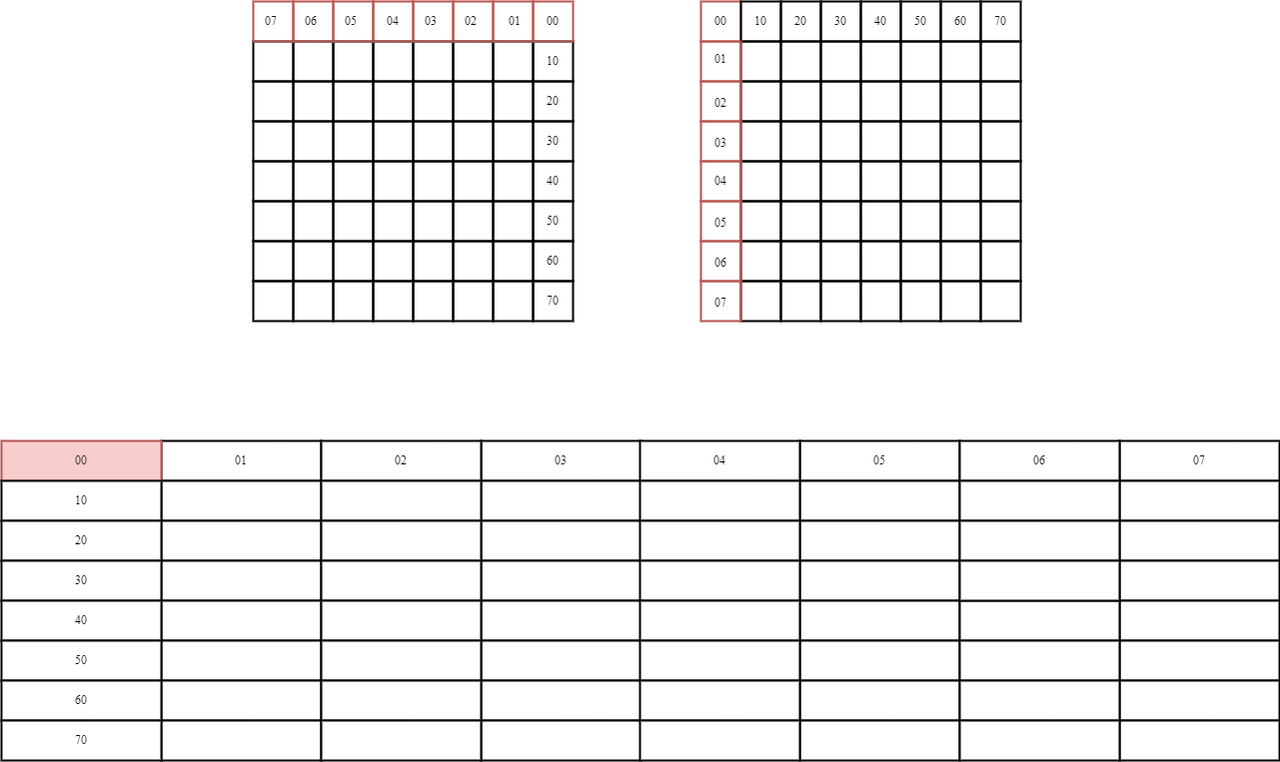 Figure 8. Computation flow of
 smt.vfwmadot v16, v2, v8 under VLEN=1024, λ=8, W=2, LMUL=1.
6.1.2 Instruction Variants
| Instruction | Assembly Format | Data Type Path | Tile | Control |
|---|---|---|---|---|
smt.vfwmadot | smt.vfwmadot vd, vs1, vs2 | FP16 × FP16 → FP32BF16 × BF16 → FP32 | 8 × 8 × 8 | MCPM.BF16 |
6.1.3 Input Format Interpretation
MCPM.BF16 | Input A | Input B | Destination / Accumulation |
|---|---|---|---|
| 0 | FP16 | FP16 | FP32 |
| 1 | BF16 | BF16 | FP32 |
This instruction set does not define mixed-format input semantics where A and B use different floating-point formats within the same instruction.
6.1.4 Program-Visible Semantics
if (LMUL != 1) {
    illegal_instruction();
}

M = N = 8; K = 8;

for (p = 0; p < (2 * VLEN / 32); p++) {
    i = (p / M) * K;
    j = (p % N) * K;
    for (q = 0; q < K; q++) {
        vd[p] = vd[p] + (fp32)vs1[i + q] * (fp32)vs2[j + q];
    }
}
6.1.5 Illegal Conditions
LMUL != 1;Vdis not an even-numbered register;Vd/Vd+1overlaps withVs1orVs2;- The floating-point input format does not match the
MCPM.BF16setting;
6.1.6 Arithmetic Notes
- The destination accumulation type is FP32;
- Accumulation is performed in FP32 precision, and software shall interpret the final results as 32-bit floating-point values;
6.1.7 Usage Example
/*********************** A100 Example ************************
* MatrixA(feature, M8*K8)
*          [0.0  1.0  2.0  3.0  4.0  5.0  6.0  7.0]
*          [1.0  2.0  3.0  4.0  5.0  6.0  7.0  8.0]
*          [2.0  3.0  4.0  5.0  6.0  7.0  8.0  9.0]
*          [3.0  4.0  5.0  6.0  7.0  8.0  9.0 10.0]
*          [4.0  5.0  6.0  7.0  8.0  9.0 10.0 11.0]
*          [5.0  6.0  7.0  8.0  9.0 10.0 11.0 12.0]
*          [6.0  7.0  8.0  9.0 10.0 11.0 12.0 13.0]
*          [7.0  8.0  9.0 10.0 11.0 12.0 13.0 14.0]
*
* MatrixB(weight, M8*K8)
*          [0.0  1.0  2.0  3.0  4.0  5.0  6.0  7.0]
*          [1.0  2.0  3.0  4.0  5.0  6.0  7.0  8.0]
*          [2.0  3.0  4.0  5.0  6.0  7.0  8.0  9.0]
*          [3.0  4.0  5.0  6.0  7.0  8.0  9.0 10.0]
*          [4.0  5.0  6.0  7.0  8.0  9.0 10.0 11.0]
*          [5.0  6.0  7.0  8.0  9.0 10.0 11.0 12.0]
*          [6.0  7.0  8.0  9.0 10.0 11.0 12.0 13.0]
*          [7.0  8.0  9.0 10.0 11.0 12.0 13.0 14.0]
*
*  "smt.vfwmadot     v16, v2, v8           \n\t"
*   MatrixA[8, 8]   ×  MatrixBt[8, 8]   =   MatrixC[8, 8]
*     [0.0 ...  7.0]      [0.0 ...  7.0]   =   [140.0 168.0 196.0 224.0 252.0 280.0 308.0 336.0]
*     [1.0 ...  8.0]      [1.0 ...  8.0]       [168.0 204.0 240.0 276.0 312.0 348.0 384.0 420.0]
*     [2.0 ...  9.0]      [2.0 ...  9.0]       [196.0 240.0 284.0 328.0 372.0 416.0 460.0 504.0]
*     [3.0 ... 10.0]      [3.0 ... 10.0]       [224.0 276.0 328.0 380.0 432.0 484.0 536.0 588.0]
*     [4.0 ... 11.0]      [4.0 ... 11.0]       [252.0 312.0 372.0 432.0 492.0 552.0 612.0 672.0]
*     [5.0 ... 12.0]      [5.0 ... 12.0]       [280.0 348.0 416.0 484.0 552.0 620.0 688.0 756.0]
*     [6.0 ... 13.0]      [6.0 ... 13.0]       [308.0 384.0 460.0 536.0 612.0 688.0 764.0 840.0]
*     [7.0 ... 14.0]      [7.0 ... 14.0]       [336.0 420.0 504.0 588.0 672.0 756.0 840.0 924.0]
******************************************************/
#include <stdio.h>
#include <stdint.h>

void gemm(const _Float16 *feature, const _Float16 *weight, float *output) {
    __asm__ volatile(
        "vsetvli    t0, zero, e16, m1        \n\t"
        "vmv.v.i    v16, 0                   \n\t"
        "vle16.v    v2, (%[A])               \n\t"
        "vle16.v    v8, (%[B])               \n\t"
        "smt.vfwmadot   v16, v2, v8              \n\t"
        "vsetvli    t0, zero, e32, m2        \n\t"
        "vse32.v    v16, (%[C])              \n\t"

        :
        : [A] "r"(feature), [ B ] "r"(weight), [ C ] "r"(output)
        : "cc", "memory", "t0");
}

int main()
{
    printf("Test Start.\n");
    // Init the matrixA, matrixB and matrixC.
    _Float16 A[8*16] = {0.0, 1.0, 2.0,  3.0,  4.0,  5.0,  6.0,  7.0,
                        1.0, 2.0, 3.0,  4.0,  5.0,  6.0,  7.0,  8.0,
                        2.0, 3.0, 4.0,  5.0,  6.0,  7.0,  8.0,  9.0,
                        3.0, 4.0, 5.0,  6.0,  7.0,  8.0,  9.0, 10.0,
                        4.0, 5.0, 6.0,  7.0,  8.0,  9.0, 10.0, 11.0,
                        5.0, 6.0, 7.0,  8.0,  9.0, 10.0, 11.0, 12.0,
                        6.0, 7.0, 8.0,  9.0, 10.0, 11.0, 12.0, 13.0,
                        7.0, 8.0, 9.0, 10.0, 11.0, 12.0, 13.0, 14.0};
    _Float16 B[8*16] = {0.0, 1.0, 2.0,  3.0,  4.0,  5.0,  6.0,  7.0,
                        1.0, 2.0, 3.0,  4.0,  5.0,  6.0,  7.0,  8.0,
                        2.0, 3.0, 4.0,  5.0,  6.0,  7.0,  8.0,  9.0,
                        3.0, 4.0, 5.0,  6.0,  7.0,  8.0,  9.0, 10.0,
                        4.0, 5.0, 6.0,  7.0,  8.0,  9.0, 10.0, 11.0,
                        5.0, 6.0, 7.0,  8.0,  9.0, 10.0, 11.0, 12.0,
                        6.0, 7.0, 8.0,  9.0, 10.0, 11.0, 12.0, 13.0,
                        7.0, 8.0, 9.0, 10.0, 11.0, 12.0, 13.0, 14.0};
    float C[64] = {0, 0, 0, 0, 0, 0, 0, 0,
                   0, 0, 0, 0, 0, 0, 0, 0,
                   0, 0, 0, 0, 0, 0, 0, 0,
                   0, 0, 0, 0, 0, 0, 0, 0,
                   0, 0, 0, 0, 0, 0, 0, 0,
                   0, 0, 0, 0, 0, 0, 0, 0,
                   0, 0, 0, 0, 0, 0, 0, 0,
                   0, 0, 0, 0, 0, 0, 0, 0};

    // Call the FUNCTION
    gemm(A, B, C);

    // Print the OUTPUT
    for(int32_t iter_i=0; iter_i<8; iter_i++){
        for(int32_t iter_j=0; iter_j<8; iter_j++){
            printf("%f \t", C[iter_i*8 + iter_j]);
        }
        printf(" \n");
    }
    printf("Test End.\n");
    return 0;
}
6.2 Floating-Point Sliding-Window Matrix Multiply for Convolution: smt.vfwmadot1/2/3
6.2.1 Functional Overview
smt.vfwmadot1, smt.vfwmadot2, and smt.vfwmadot3 have the same computation type as smt.vfwmadot, but introduce a fixed sliding-window offset on the operand A during load.
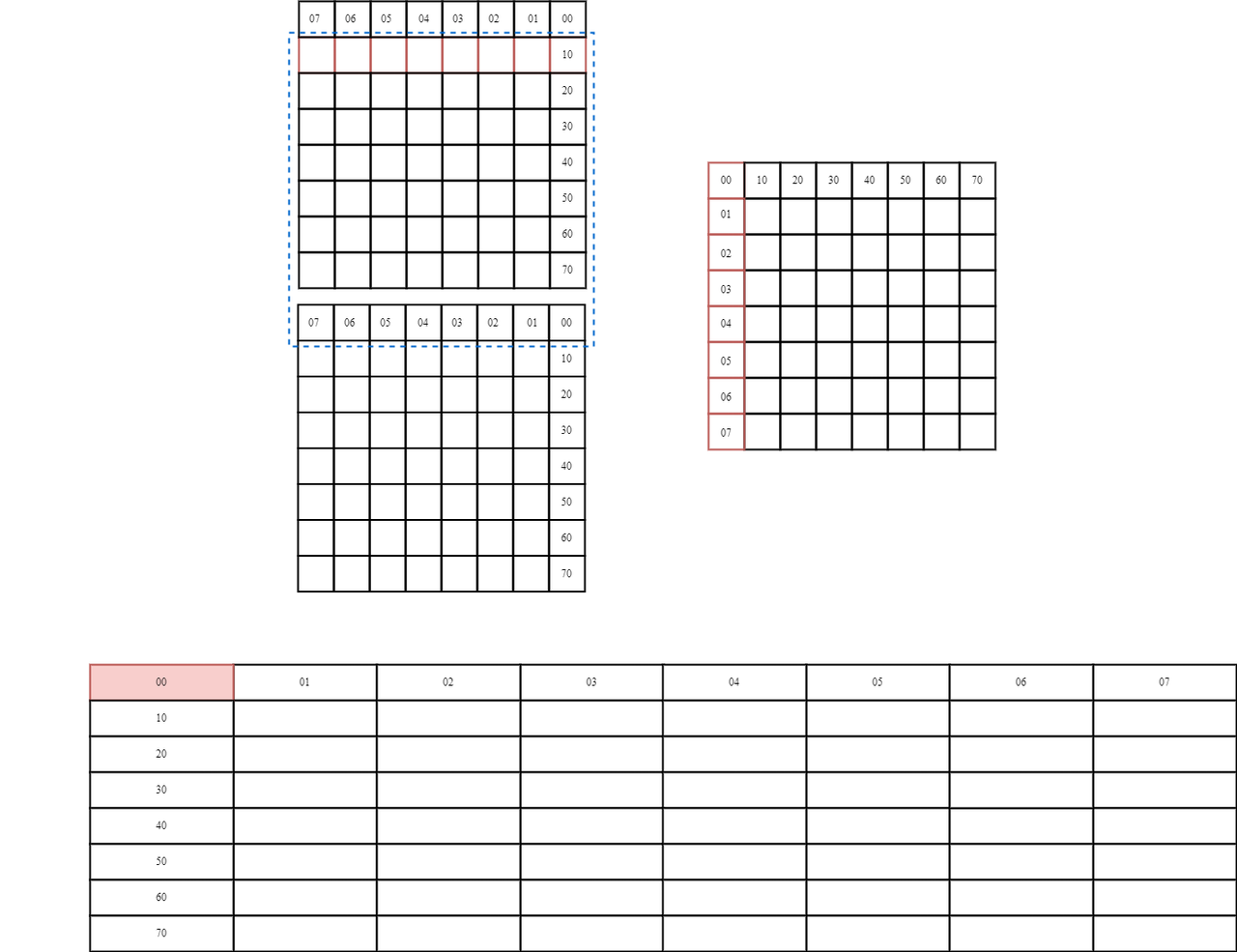 Figure 9 illustrates the sliding-window computation of
 smt.vfwmadot1 under VLEN=1024, λ=8, W=2, LMUL=1.
6.2.2 Instruction Variants
| Instruction | Assembly Format | slide | Data Path | tile | Control |
|---|---|---|---|---|---|
smt.vfwmadot1 | smt.vfwmadot1 vd, vs1, vs2 | 1 | FP16 × FP16 → FP32BF16 × BF16 → FP32 | 8 × 8 × 8 | MCPM.BF16 |
smt.vfwmadot2 | smt.vfwmadot2 vd, vs1, vs2 | 2 | FP16 × FP16 → FP32BF16 × BF16 → FP32 | 8 × 8 × 8 | MCPM.BF16 |
smt.vfwmadot3 | smt.vfwmadot3 vd, vs1, vs2 | 3 | FP16 × FP16 → FP32BF16 × BF16 → FP32 | 8 × 8 × 8 | MCPM.BF16 |
6.2.3 Program-Visible Semantics
if (LMUL != 1) {
    illegal_instruction();
}

M = N = 8; K = 8;
slide *= K;

for (p = 0; p < (2 * VLEN * LMUL / 32); p++) {
    i = (p / M) * K;
    j = (p % N) * K;
    for (q = 0; q < K; q++) {
        vd[p] = vd[p] + (fp32)vs1[i + q + slide] * (fp32)vs2[j + q];
    }
}
6.2.4 Illegal Conditions
LMUL != 1;Vdis not an even-numbered register;Vd/Vd+1overlaps withVs1orVs2;- Input format is inconsistent with
MCPM.BF16.
6.2.5 Arithmetic Notes
- The accumulation data type is FP32;
- The sliding distance of matrix
Ais determined by the suffixNin the instruction name (vfwmadotN), indicating a shift ofNrows.
6.2.6 Differences from smt.vfwmadot
- Same computation type;
- Same tile shape;
- The only difference is a fixed sliding offset applied when reading operand
A.
6.2.7 Usage Example
/*********************** A100 Example ************************
* MatrixA(feature, M8*K8)
*          [ 0.0  1.0  2.0  3.0  4.0  5.0  6.0  7.0]
*          [ 1.0  2.0  3.0  4.0  5.0  6.0  7.0  8.0]
*          [ 2.0  3.0  4.0  5.0  6.0  7.0  8.0  9.0]
*          [ 3.0  4.0  5.0  6.0  7.0  8.0  9.0 10.0]
*          [ 4.0  5.0  6.0  7.0  8.0  9.0 10.0 11.0]
*          [ 5.0  6.0  7.0  8.0  9.0 10.0 11.0 12.0]
*          [ 6.0  7.0  8.0  9.0 10.0 11.0 12.0 13.0]
*          [ 7.0  8.0  9.0 10.0 11.0 12.0 13.0 14.0]
*          [ 8.0  9.0 10.0 11.0 12.0 13.0 14.0 15.0]
*          [ 9.0 10.0 11.0 12.0 13.0 14.0 15.0 16.0]
*          [10.0 11.0 12.0 13.0 14.0 15.0 16.0 17.0]
*          [11.0 12.0 13.0 14.0 15.0 16.0 17.0 18.0]
*          [12.0 13.0 14.0 15.0 16.0 17.0 18.0 19.0]
*          [13.0 14.0 15.0 16.0 17.0 18.0 19.0 20.0]
*          [14.0 15.0 16.0 17.0 18.0 19.0 20.0 21.0]
*          [15.0 16.0 17.0 18.0 19.0 20.0 21.0 22.0]
*
* MatrixB(weight, M8*K8)
*          [0.0  1.0  2.0  3.0  4.0  5.0  6.0  7.0]
*          [1.0  2.0  3.0  4.0  5.0  6.0  7.0  8.0]
*          [2.0  3.0  4.0  5.0  6.0  7.0  8.0  9.0]
*          [3.0  4.0  5.0  6.0  7.0  8.0  9.0 10.0]
*          [4.0  5.0  6.0  7.0  8.0  9.0 10.0 11.0]
*          [5.0  6.0  7.0  8.0  9.0 10.0 11.0 12.0]
*          [6.0  7.0  8.0  9.0 10.0 11.0 12.0 13.0]
*          [7.0  8.0  9.0 10.0 11.0 12.0 13.0 14.0]
*
*  "smt.vfwmadot     v16, v2, v8           \n\t"
*   MatrixA[8, 8]   *  MatrixBt[8, 8]   =   MatrixC[8, 8]
*     [0.0 ...  7.0]      [0.0 ...  7.0]   =   [140.0 168.0 196.0 224.0 252.0 280.0 308.0 336.0]
*     [1.0 ...  8.0]      [1.0 ...  8.0]       [168.0 204.0 240.0 276.0 312.0 348.0 384.0 420.0]
*     [2.0 ...  9.0]      [2.0 ...  9.0]       [196.0 240.0 284.0 328.0 372.0 416.0 460.0 504.0]
*     [3.0 ... 10.0]      [3.0 ... 10.0]       [224.0 276.0 328.0 380.0 432.0 484.0 536.0 588.0]
*     [4.0 ... 11.0]      [4.0 ... 11.0]       [252.0 312.0 372.0 432.0 492.0 552.0 612.0 672.0]
*     [5.0 ... 12.0]      [5.0 ... 12.0]       [280.0 348.0 416.0 484.0 552.0 620.0 688.0 756.0]
*     [6.0 ... 13.0]      [6.0 ... 13.0]       [308.0 384.0 460.0 536.0 612.0 688.0 764.0 840.0]
*     [7.0 ... 14.0]      [7.0 ... 14.0]       [336.0 420.0 504.0 588.0 672.0 756.0 840.0 924.0]
*
*  "smt.vfwmadot1    v16, v0, v8             \n\t"
*  MatrixA[8, 8]   *  MatrixB[8, 8]  + MatrixC[8, 8]  =  MatrixC[8, 8]
*     [1.0 ...  8.0]      [0.0 ...  7.0]   =   [308.0 372.0  436.0  500.0  564.0  628.0  692.0  756.0]
*     [2.0 ...  9.0]      [1.0 ...  8.0]       [364.0 444.0  524.0  604.0  684.0  764.0  844.0  924.0]
*     [3.0 ... 10.0]      [2.0 ...  9.0]       [420.0 516.0  612.0  708.0  804.0  900.0  996.0 1092.0]
*     [4.0 ... 11.0]      [3.0 ... 10.0]       [476.0 588.0  700.0  812.0  924.0 1036.0 1148.0 1260.0]
*     [5.0 ... 12.0]      [4.0 ... 11.0]       [532.0 660.0  788.0  916.0 1044.0 1172.0 1300.0 1428.0]
*     [6.0 ... 13.0]      [5.0 ... 12.0]       [588.0 732.0  876.0 1020.0 1164.0 1308.0 1452.0 1596.0]
*     [7.0 ... 14.0]      [6.0 ... 13.0]       [644.0 804.0  964.0 1124.0 1284.0 1444.0 1604.0 1764.0]
*     [8.0 ... 15.0]      [7.0 ... 14.0]       [700.0 876.0 1052.0 1228.0 1404.0 1580.0 1756.0 1932.0]
*
*  "smt.vfwmadot2     v16, v0, v8            \n\t"
* MatrixA[8, 8]    *  MatrixB[8, 8]  + MatrixC[8, 8]   =   MatrixC[8, 8]
*     [2.0 ...  9.0]      [0.0 ...  7.0]   =   [ 504.0      612.0      720.0      828.0    936.0  1044.0  1152.0  1260.0]
*     [3.0 ... 10.0]      [1.0 ...  8.0]       [ 588.0      720.0      852.0      984.0   1116.0  1248.0  1380.0  1512.0]
*     [4.0 ... 11.0]      [2.0 ...  9.0]       [ 672.0      828.0      984.0     1140.0   1296.0  1452.0  1608.0  1764.0]
*     [5.0 ... 12.0]      [3.0 ... 10.0]       [ 756.0      936.0     1116.0     1296.0   1476.0  1656.0  1836.0  2016.0]
*     [6.0 ... 13.0]      [4.0 ... 11.0]       [ 840.0     1044.0     1248.0     1452.0   1656.0  1860.0  2064.0  2268.0]
*     [7.0 ... 14.0]      [5.0 ... 12.0]       [ 924.0     1152.0     1380.0     1608.0   1836.0  2064.0  2292.0  2520.0]
*     [8.0 ... 15.0]      [6.0 ... 13.0]       [1008.0     1260.0     1512.0     1764.0   2016.0  2268.0  2520.0  2772.0]
*     [9.0 ... 16.0]      [7.0 ... 14.0]       [1092.0     1368.0     1644.0     1920.0   2196.0  2472.0  2748.0  3024.0]
******************************************************/
#include <stdio.h>
#include <stdint.h>

void conv1d(const _Float16 *feature, const _Float16 *weight, float *output) {
    __asm__ volatile(
        "vsetvli    t0, zero, e16, m1        \n\t"
        "vle16.v     v0, (%[A])              \n\t"
        "addi       %[A], %[A], 8*16         \n\t"
        "vle16.v     v1, (%[A])              \n\t"
        "addi       %[A], %[A], 8*16         \n\t"
        "vle16.v     v8, (%[B])              \n\t"
        "smt.vfwmadot     v16, v0, v8            \n\t"
        "smt.vfwmadot1    v16, v0, v8            \n\t"
        "smt.vfwmadot2    v16, v0, v8            \n\t"
        "vsetvli    t0, zero, e32, m2        \n\t"
        "vse32.v    v16, (%[C])              \n\t"

        : [A] "+r"(feature), [ B ] "+r"(weight), [ C ] "+r"(output)
        :
        : "cc");
}

int main()
{
    printf("Test Start.\n");
    // Init the matrixA, matrixB and matrixC.
    _Float16 A[16*8] = { 0.0,  1.0,  2.0,  3.0,  4.0,  5.0,  6.0,  7.0,
                         1.0,  2.0,  3.0,  4.0,  5.0,  6.0,  7.0,  8.0,
                         2.0,  3.0,  4.0,  5.0,  6.0,  7.0,  8.0,  9.0,
                         3.0,  4.0,  5.0,  6.0,  7.0,  8.0,  9.0, 10.0,
                         4.0,  5.0,  6.0,  7.0,  8.0,  9.0, 10.0, 11.0,
                         5.0,  6.0,  7.0,  8.0,  9.0, 10.0, 11.0, 12.0,
                         6.0,  7.0,  8.0,  9.0, 10.0, 11.0, 12.0, 13.0,
                         7.0,  8.0,  9.0, 10.0, 11.0, 12.0, 13.0, 14.0,
                         8.0,  9.0, 10.0, 11.0, 12.0, 13.0, 14.0, 15.0,
                         9.0, 10.0, 11.0, 12.0, 13.0, 14.0, 15.0, 16.0,
                        10.0, 11.0, 12.0, 13.0, 14.0, 15.0, 16.0, 17.0,
                        11.0, 12.0, 13.0, 14.0, 15.0, 16.0, 17.0, 18.0,
                        12.0, 13.0, 14.0, 15.0, 16.0, 17.0, 18.0, 19.0,
                        13.0, 14.0, 15.0, 16.0, 17.0, 18.0, 19.0, 20.0,
                        14.0, 15.0, 16.0, 17.0, 18.0, 19.0, 20.0, 21.0,
                        15.0, 16.0, 17.0, 18.0, 19.0, 20.0, 21.0, 22.0};
    _Float16 B[8*8] = {0.0, 1.0, 2.0,  3.0,  4.0,  5.0,  6.0,  7.0,
                       1.0, 2.0, 3.0,  4.0,  5.0,  6.0,  7.0,  8.0,
                       2.0, 3.0, 4.0,  5.0,  6.0,  7.0,  8.0,  9.0,
                       3.0, 4.0, 5.0,  6.0,  7.0,  8.0,  9.0, 10.0,
                       4.0, 5.0, 6.0,  7.0,  8.0,  9.0, 10.0, 11.0,
                       5.0, 6.0, 7.0,  8.0,  9.0, 10.0, 11.0, 12.0,
                       6.0, 7.0, 8.0,  9.0, 10.0, 11.0, 12.0, 13.0,
                       7.0, 8.0, 9.0, 10.0, 11.0, 12.0, 13.0, 14.0};
    float C[8*8] = {0, 0, 0, 0, 0, 0, 0, 0,
                     0, 0, 0, 0, 0, 0, 0, 0,
                     0, 0, 0, 0, 0, 0, 0, 0,
                     0, 0, 0, 0, 0, 0, 0, 0,
                     0, 0, 0, 0, 0, 0, 0, 0,
                     0, 0, 0, 0, 0, 0, 0, 0,
                     0, 0, 0, 0, 0, 0, 0, 0,
                     0, 0, 0, 0, 0, 0, 0, 0};

    // Call the FUNCTION
    conv1d(A, B, C);

    // Print the OUTPUT
    for(int32_t iter_i=0; iter_i<8; iter_i++){
        for(int32_t iter_j=0; iter_j<8; iter_j++){
            printf("%f \t", C[iter_i*8 + iter_j]);
        }
        printf(" \n");
    }
    printf("Test End.\n");
    return 0;
}
Chapter 7 Data Layout Transformation Instructions
7.1 Design Purpose
In addition to matrix multiplication instructions, this instruction set defines a set of data layout transformation instructions intended for AI data preparation. Their primary purposes include:
- Interleaving two source streams into the 2D tile layout required by the matrix extension;
- De-interleaving interleaved streams back into separated layouts;
- Narrowing wider input elements and interleaving them;
- Preparing nibble-level packed formats for low-bitwidth data types such as Int4.
These instructions are functionally similar to those defined in the community Zvzip extension.
The behavior of pack and unpack instructions is illustrated in Figure 10.
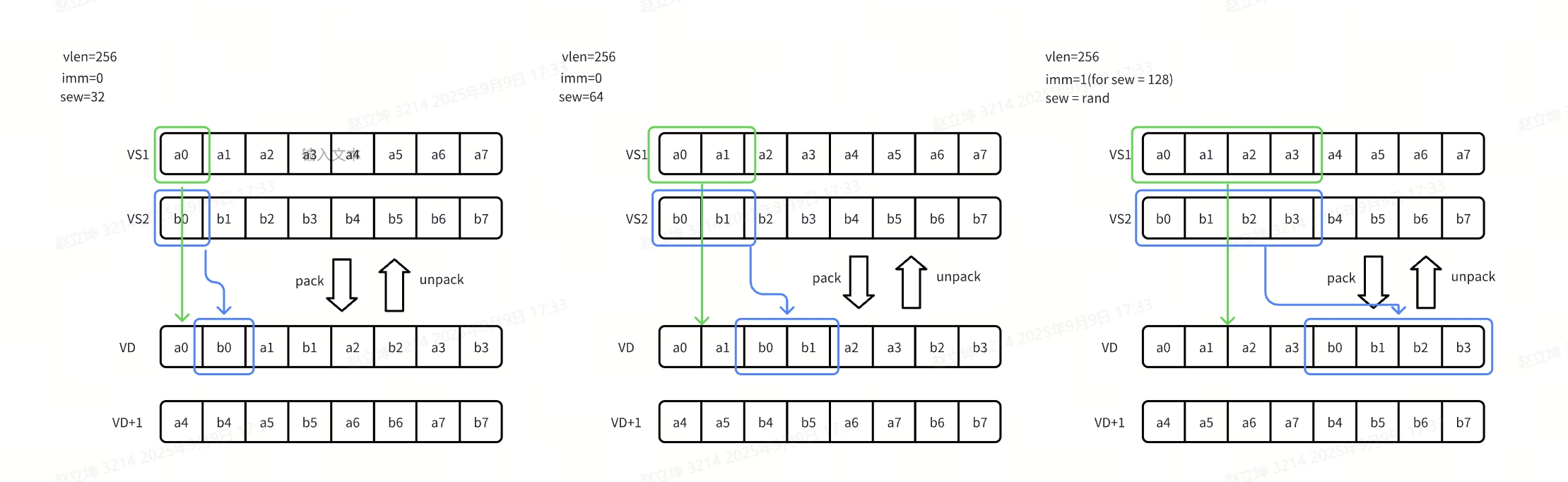 Figure 10 shows the interleaving and de-interleaving behavior of
 pack and unpack instructions.
7.2 Instruction Summary
| Instruction | Assembly Format | Description |
|---|---|---|
smt.vpack.vv | smt.vpack.vv vd, vs1, vs2, imm2 | Interleave two source streams |
smt.vupack.vv | smt.vupack.vv vd, vs1, vs2, imm2 | De-interleave an interleaved stream |
smt.vnpack.vv | smt.vnpack.vv vd, vs1, vs2, imm2 | Narrow and interleave |
smt.vnspack.vv | smt.vnspack.vv vd, vs1, vs2, imm2 | Saturating narrow and interleave |
smt.vnpack4.vv | smt.vnpack4.vv vd, vs1, vs2, imm2 | 4-bit narrowing and packing |
smt.vnspack4.vv | smt.vnspack4.vv vd, vs1, vs2, imm2 | 4-bit saturating narrowing and packing |
7.2.1 imm2 and pack_len Mapping
For data layout transformation instructions, the imm2 field selects the interleaving or packing granularity. The interpretation of imm2 varies across instruction groups.
smt.vpack.vv / smt.vupack.vv
imm2 | pack_len | Description |
|---|---|---|
00 | SEW | Interleave/de-interleave at the element width |
01 | 128-bit | Interleave/de-interleave in 128-bit blocks |
10 | 256-bit | Interleave/de-interleave in 256-bit blocks |
11 | 512-bit | Interleave/de-interleave in 512-bit blocks |
smt.vnpack.vv / smt.vnspack.vv / smt.vnpack4.vv / smt.vnspack4.vv
imm2 | pack_len | Description |
|---|---|---|
00 | 32-bit | Narrow and interleave/pack in 32-bit blocks |
01 | 64-bit | Narrow and interleave/pack in 64-bit blocks |
10 | 128-bit | Narrow and interleave/pack in 128-bit blocks |
11 | 256-bit | Narrow and interleave/pack in 256-bit blocks |
For all data layout transformation instructions, if pack_len > VLEN × LMUL, the instruction shall raise an illegal instruction exception.
7.2.2 Common Auxiliary Definitions
To describe narrowing operations, the following auxiliary functions are defined.
CLIP(x)
CLIP(x) denotes truncation to the target element width, retaining only the LSB:
CLIP_EEW(x) = x & ((1 << EEW) - 1)where EEW is the target element width.
Examples:
- For
smt.vnpack.vv/smt.vnspack.vv, the target width is half of the original input width; - For
smt.vnpack4.vv/smt.vnspack4.vv, the target width is fixed at 4 bits.
SCLIP(x)
SCLIP(x) denotes saturating truncation to the target element width. If x exceeds the representable range of the target width, it shall be clamped to the minimum or maximum representable value.
For a signed target width EEW:
SCLIP_EEW(x) =
    (x >  2^(EEW-1)-1) ?  2^(EEW-1)-1 :
    (x < -2^(EEW-1))   ? -2^(EEW-1)   :
                             x
If the implementation interprets source elements as unsigned values, unsigned saturation rules shall be applied accordingly.
In this specification, SCLIP() is used to express the semantic behavior of “saturate first, then narrow.”
7.3 smt.vpack.vv
smt.vpack.vv interleaves elements from vs1 and vs2 into the destination register vd according to the specified pack_len.
if (pack_len > VLEN * LMUL) {
    illegal_instruction();
}

switch (imm2) {
    case 0: pack_len = SEW;     break;
    case 1: pack_len = 128;     break;
    case 2: pack_len = 256;     break;
    case 3: pack_len = 512;     break;
}

for (p = 0; p < (VLEN * LMUL / pack_len); p++) {
    q = p * pack_len;

    for (i = 0; i < pack_len / SEW; i++) {
        vd[2 * p * pack_len / SEW + i] = vs1[q + i];
    }

    for (i = 0; i < pack_len / SEW; i++) {
        vd[2 * p * pack_len / SEW + pack_len / SEW + i] = vs2[q + i];
    }
}
7.3.1 Usage Example
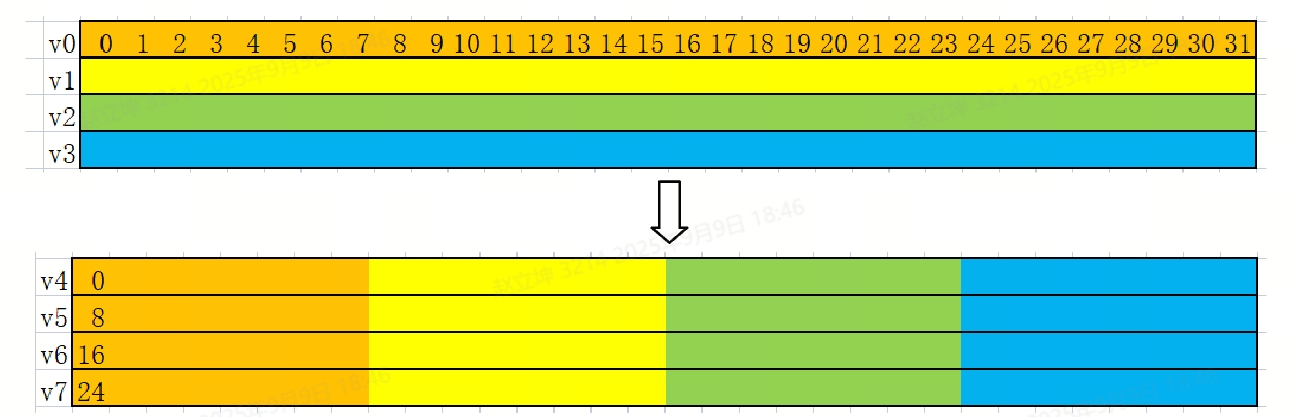 Figure 11. The
 vpack instruction sequence shown below rearranges the input data into the illustrated layout.
vsetvli  t0, x0, e8, m1, tu, mu
vle8.v  v0, (a0)
add     a0, a0, matrix_row_stride
vle8.v  v1, (a0)
add     a0, a0, matrix_row_stride
vle8.v  v2, (a0)
add     a0, a0, matrix_row_stride
vle8.v  v3, (a0)
add     a0, a0, matrix_row_stride
vsetvli  t0, x0, e64, m1, tu, mu
smt.vpack.vv v8, v0, v1, 0             // abab
smt.vpack.vv v10, v2, v3, 0            // cdcd
smt.vpack.vv v4, v8, v10, 0            // abcd
smt.vpack.vv v6, v9, v11, 0            // abcd
7.4 smt.vupack.vv
smt.vupack.vv performs the inverse transformation of an interleaved layout, splitting the stream back into an expanded destination layout.
if (pack_len > VLEN * LMUL) {
    illegal_instruction();
}

switch (imm2) {
    case 0: pack_len = SEW;     break;
    case 1: pack_len = 128;     break;
    case 2: pack_len = 256;     break;
    case 3: pack_len = 512;     break;
}

for (p = 0; p < (VLEN * LMUL / (pack_len * 2)); p++) {
    q = 2 * p * pack_len;

    for (i = 0; i < pack_len / SEW; i++) {
        vd[p * pack_len + i] = vs1[q / SEW + i];
        vd+1[p * pack_len + i] = vs1[q / SEW + pack_len / SEW + i];
        vd[(VLEN/SEW)/2 + p * pack_len + i] = vs2[q / SEW + i];
        vd+1[(VLEN/SEW)/2 + p * pack_len + i] = vs2[q / SEW + pack_len / SEW + i];
    }
}
7.5 smt.vnpack.vv and smt.vnspack.vv
Both instructions narrow the input elements to half of the original element width, and then interleave the results into the destination according to pack_len.
7.5.1 smt.vnpack.vv
smt.vnpack.vv truncates the lower half of each input element and then performs interleaving:
if (pack_len > VLEN * LMUL) {
    illegal_instruction();
}

switch (imm2) {
    case 0: pack_len = 32;      break;
    case 1: pack_len = 64;      break;
    case 2: pack_len = 128;     break;
    case 3: pack_len = 256;     break;
}

SEW = 2 * SEW;

for (p = 0; p < (VLEN * LMUL / pack_len); p++) {
    q = p * pack_len;
    for (i = 0; i < pack_len / SEW; i++) {
        vd[p * pack_len / (SEW/2) + i] = CLIP(vs1[q + i]);
    }
    for (i = 0; i < pack_len / SEW; i++) {
        vd[p * pack_len / (SEW/2) + pack_len / SEW + i] = CLIP(vs2[q + i]);
    }
}
7.5.2 smt.vnspack.vv
smt.vnspack.vv performs saturating narrowing prior to interleaving:
if (pack_len > VLEN * LMUL) {
    illegal_instruction();
}

switch (imm2) {
    case 0: pack_len = 32;      break;
    case 1: pack_len = 64;      break;
    case 2: pack_len = 128;     break;
    case 3: pack_len = 256;     break;
}

SEW = 2 * SEW;

for (p = 0; p < (VLEN * LMUL / pack_len); p++) {
    q = p * pack_len;
    for (i = 0; i < pack_len / SEW; i++) {
        vd[p * pack_len / (SEW/2) + i] = SCLIP(vs1[q + i]);
    }
    for (i = 0; i < pack_len / SEW; i++) {
        vd[p * pack_len / (SEW/2) + pack_len / SEW + i] = SCLIP(vs2[q + i]);
    }
}
7.6 smt.vnpack4.vv and smt.vnspack4.vv
smt.vnpack4.vv: nibble-level packing for 4-bit outputs;smt.vnspack4.vv: nibble-level saturating packing for 4-bit outputs.
These instructions can be viewed as the half-byte (nibble) counterparts of smt.vnpack.vv / smt.vnspack.vv, intended for preparing low-bitwidth data such as Int4.
7.6.1 smt.vnpack4.vv
smt.vnpack4.vv shall first truncate each source element to 4 bits, then interleave at granularity pack_len, and pack every two 4-bit values into one byte in the destination.
if (pack_len > VLEN * LMUL) {
    illegal_instruction();
}

switch (imm2) {
    case 0: pack_len = 32;      break;
    case 1: pack_len = 64;      break;
    case 2: pack_len = 128;     break;
    case 3: pack_len = 256;     break;
}

for (p = 0; p < (VLEN * LMUL / pack_len); p++) {
    q = p * pack_len;
    out = 0;

    for (i = 0; i < pack_len / 8; i++) {
        lo = CLIP_4(vs1[q / SEW + 2*i + 0]);
        hi = CLIP_4(vs1[q / SEW + 2*i + 1]);
        vd[out++] = lo | (hi << 4);
    }

    for (i = 0; i < pack_len / 8; i++) {
        lo = CLIP_4(vs2[q / SEW + 2*i + 0]);
        hi = CLIP_4(vs2[q / SEW + 2*i + 1]);
        vd[out++] = lo | (hi << 4);
    }
}
7.6.2 smt.vnspack4.vv
smt.vnspack4.vv follows the same procedure as smt.vnpack4.vv, except that each source element shall be saturated to 4 bits prior to packing.
if (pack_len > VLEN * LMUL) {
    illegal_instruction();
}

switch (imm2) {
    case 0: pack_len = 32;      break;
    case 1: pack_len = 64;      break;
    case 2: pack_len = 128;     break;
    case 3: pack_len = 256;     break;
}

for (p = 0; p < (VLEN * LMUL / pack_len); p++) {
    q = p * pack_len;
    out = 0;

    for (i = 0; i < pack_len / 8; i++) {
        lo = SCLIP_4(vs1[q / SEW + 2*i + 0]);
        hi = SCLIP_4(vs1[q / SEW + 2*i + 1]);
        vd[out++] = lo | (hi << 4);
    }

    for (i = 0; i < pack_len / 8; i++) {
        lo = SCLIP_4(vs2[q / SEW + 2*i + 0]);
        hi = SCLIP_4(vs2[q / SEW + 2*i + 1]);
        vd[out++] = lo | (hi << 4);
    }
}
7.6.3 Additional Notes
CLIP_4()andSCLIP_4()denote truncation and saturating truncation to a 4-bit destination width, respectively.- The nibble ordering and intra-byte layout in
smt.vnpack4.vv/smt.vnspack4.vvare based on current implementation references; if an implementation defines a fixed convention, that definition shall take precedence. - If the implementation specifies a different nibble ordering within a byte, the implementation-defined behavior shall prevail.
7.7 Usage Positioning of Data Layout Transformation Instructions
Although these instructions do not directly perform matrix multiplication, they play an important role in the matrix extension software pipeline, as they are commonly used to:
- Prepare a dot-product-friendly layout for
Vs2; - Compress wide-bit intermediate results back into lower-bit representations;
- Construct compact packed formats required for Int4 and sparse inputs.
Chapter 8 Instruction Encoding Summary
This chapter reorganizes the encoding information from the SpacemiT implementation documentation for easier reference. If any bit-level detail conflicts with the original specification, the original implementation definition shall prevail.
8.1 Integer Matrix Multiplication Instructions (Base Path): smt.vmadot*
Register Constraints
-
Vs1,Vs2: any vector register in the range0–31; -
Vd: even-numbered vector register in the range0–30. -
funct3[14:12]selects signedness:000:smt.vmadotu001:smt.vmadotus010:smt.vmadotsu011:smt.vmadot
-
DT[30:29]selects data type:10: Int411: Int8
All other encodings are reserved.
Formal Encoding
| Mnemonic | [31] | [30:29] | [28:26] | [25] | [24:20] | [19:15] | [14:12] | [11:7] | [6:0] |
|---|---|---|---|---|---|---|---|---|---|
smt.vmadotu | 1 | DT | 000 | 1 | vs2 | vs1 | 000 | {vd[4:1],0} | 0101011 |
smt.vmadotus | 1 | DT | 000 | 1 | vs2 | vs1 | 001 | {vd[4:1],0} | 0101011 |
smt.vmadotsu | 1 | DT | 000 | 1 | vs2 | vs1 | 010 | {vd[4:1],0} | 0101011 |
smt.vmadot | 1 | DT | 000 | 1 | vs2 | vs1 | 011 | {vd[4:1],0} | 0101011 |
Where,
DT[30:29] = 10/11correspond to Int4 / Int8 respectively;- Only even-numbered vector registers in the range
0–30are valid forVd. Since the LSB ofVdis always 0, the register index is encoded as{vd[4:1],0}.
8.2 Integer Sliding-Window Matrix Multiplication for Convolution: smt.vmadot1/2/3*
Register Constraints
-
Vs1: vector register0–30, even-numbered only -
Vs2: vector register0–31 -
Vd: vector register0–30, even-numbered only -
funct2[13:12]selects signedness:00: U × U01: U × S10: S × U11: S × S
-
slide[15:14]selects sliding window offset:00: slide 101: slide 210: slide 311: reserved
-
DT[30:29]selects data type (implementation-defined field; referred to here as “data type field”):11: Int8- others: reserved
Formal Encoding
| Mnemonic | [31] | [30:29] | [28:26] | [25] | [24:20] | [19:15] | [14:12] | [11:7] | [6:0] |
|---|---|---|---|---|---|---|---|---|---|
smt.vmadot1u | 1 | DT | 001 | 1 | vs2 | {vs1[4:1],0} | 000 | {vd[4:1],0} | 0101011 |
smt.vmadot1us | 1 | DT | 001 | 1 | vs2 | {vs1[4:1],0} | 001 | {vd[4:1],0} | 0101011 |
smt.vmadot1su | 1 | DT | 001 | 1 | vs2 | {vs1[4:1],0} | 010 | {vd[4:1],0} | 0101011 |
smt.vmadot1 | 1 | DT | 001 | 1 | vs2 | {vs1[4:1],0} | 011 | {vd[4:1],0} | 0101011 |
smt.vmadot2u | 1 | DT | 001 | 1 | vs2 | {vs1[4:1],0} | 100 | {vd[4:1],0} | 0101011 |
smt.vmadot2us | 1 | DT | 001 | 1 | vs2 | {vs1[4:1],0} | 101 | {vd[4:1],0} | 0101011 |
smt.vmadot2su | 1 | DT | 001 | 1 | vs2 | {vs1[4:1],0} | 110 | {vd[4:1],0} | 0101011 |
smt.vmadot2 | 1 | DT | 001 | 1 | vs2 | {vs1[4:1],0} | 111 | {vd[4:1],0} | 0101011 |
smt.vmadot3u | 1 | DT | 001 | 1 | vs2 | {vs1[4:1],1} | 000 | {vd[4:1],0} | 0101011 |
smt.vmadot3us | 1 | DT | 001 | 1 | vs2 | {vs1[4:1],1} | 001 | {vd[4:1],0} | 0101011 |
smt.vmadot3su | 1 | DT | 001 | 1 | vs2 | {vs1[4:1],1} | 010 | {vd[4:1],0} | 0101011 |
smt.vmadot3 | 1 | DT | 001 | 1 | vs2 | {vs1[4:1],1} | 011 | {vd[4:1],0} | 0101011 |
where,
DT[30:29]is currently defined only as11(Int8).slide[15:14]is jointly encoded by bit[15]and the upper bit of[14:12], where[15]reuses the LSB freed by the even-register constraint onVs1.- Since
Vs1andVdare constrained to even-numbered registers, their LSB is always0, and are therefore represented in the table as{vs1[4:1],0}and{vd[4:1],0}respectively. Specifically, thesmt.vmadot3uinstruction is an exception where the LSB ofVs1is encoded as 1.
8.3 4 Structured Sparse Integer Matrix Multiplication: smt.vmadot.sp*
Register Constraints
-
Vs1: vector register0–30, even-numbered only -
Vs2: vector register0–31 -
Vd: vector register0–30, even-numbered only -
imm2(bits[15]and[7]) selects mask segment -
funct3[14:12]selects signedness -
vmask[25]selectsV0orV1 -
DT[30:29]selects Int4 / Int8
Mask Segment Mapping (imm2)
- Int4:
00:[511:0]01:[1023:512]
- Int8:
00:[255:0]01:[511:256]10:[767:512]11:[1023:768]
All other encodings are reserved.
Formal Encoding
| Mnemonic | [31] | [30:29] | [28:26] | [25] | [24:20] | [19:16] | [15] | [14:12] | [11:8] | [7] | [6:0] |
|---|---|---|---|---|---|---|---|---|---|---|---|
smt.vmadotu.sp | 1 | DT | 010 | v | vs2 | vs1[4:1] | imm2[1] | 000 | vd[4:1] | imm2[0] | 0101011 |
smt.vmadotus.sp | 1 | DT | 010 | v | vs2 | vs1[4:1] | imm2[1] | 001 | vd[4:1] | imm2[0] | 0101011 |
smt.vmadotsu.sp | 1 | DT | 010 | v | vs2 | vs1[4:1] | imm2[1] | 010 | vd[4:1] | imm2[0] | 0101011 |
smt.vmadot.sp | 1 | DT | 010 | v | vs2 | vs1[4:1] | imm2[1] | 011 | vd[4:1] | imm2[0] | 0101011 |
Where,
vrepresentsvmask[25], selectingV0orV1.DT[30:29] = 10 / 11correspond to Int4 / Int8.imm2is formed from bits[15]and[7], both of which reuse the LSB freed by the even-register constraint onVs1andVd.- Since
Vs1andVdare constrained to even-numbered registers, theirbit 0is always0, hence encoded as{vs1[4:1],0}and{vd[4:1],0}respectively.
8.4 Block-Quantization-Oriented Integer Matrix Multiplication: smt.vmadot.hp*
Register Constraints
-
Vs1,Vs2,Vd: vector registers0–31 -
imm3[14:12]selects scale parameter group -
vscale[25]selectsV0orV1 -
funct3[28:26]selects signedness / instruction variant -
DT[30:29]selects Int4 / Int8
imm3 Group Definition
000:[127:0], group-0001:[255:128], group-1010:[383:256], group-2011:[511:384], group-3100:[639:512], group-4101:[767:640], group-5110:[895:768], group-6111:[1023:896], group-7
Related funct3[28:26]:
011:smt.vmadotu.hp110:smt.vmadotus.hp101:smt.vmadotsu.hp100:smt.vmadot.hp- others: reserved
Formal Encoding
| Mnemonic | [31] | [30:29] | [28:26] | [25] | [24:20] | [19:15] | [14:12] | [11:7] | [6:0] |
|---|---|---|---|---|---|---|---|---|---|
smt.vmadotu.hp | 1 | DT | 011 | vscale | vs2 | vs1 | imm3 | vd | 0101011 |
smt.vmadotus.hp | 1 | DT | 110 | vscale | vs2 | vs1 | imm3 | vd | 0101011 |
smt.vmadotsu.hp | 1 | DT | 101 | vscale | vs2 | vs1 | imm3 | vd | 0101011 |
smt.vmadot.hp | 1 | DT | 100 | vscale | vs2 | vs1 | imm3 | vd | 0101011 |
Where,
vscale[25] = 0/1selectsV0/V1.DT[30:29] = 10 / 11correspond to Int4 / Int8.imm3is directly encoded in field[14:12]and does not reuse any implicit encoding space from register alignment constraints.
8.5 Floating-Point Instructions
smt.vfwmadot:Vs1andVs2may use any vector register0–31, whileVdis restricted to even-numbered vector registers0–30.smt.vfwmadot1/2/3:Vs2may use any vector register0–31, whileVs1andVdis restricted to even-numbered vector registers0–30.- The variants
smt.vfwmadot1/2/3are distinguished directly viafunct3[14:12]:101→smt.vfwmadot1110→smt.vfwmadot2111→smt.vfwmadot3
- The FP16 / BF16 format selection for both
smt.vfwmadotandsmt.vfwmadot1/2/3is controlled byMCPM.BF16. - Mixed FP16/BF16 encoding within a single floating-point matrix instruction is not defined.
8.5.1 smt.vfwmadot
| Mnemonic | [31:25] | [24:20] | [19:15] | [14:12] | [11:7] | [6:0] |
|---|---|---|---|---|---|---|
smt.vfwmadot | 1001111 | vs2 | vs1 | 100 | {vd[4:1],0} | 0101011 |
Where,
[14:12] = 100identifiessmt.vfwmadot.- Due to the even-register constraint on
Vd, itsbit 0is always0, hence encoded as{vd[4:1],0}.
8.5.2 smt.vfwmadot1/2/3
| Mnemonic | [31:25] | [24:20] | [19:15] | [14:12] | [11:7] | [6:0] |
|---|---|---|---|---|---|---|
smt.vfwmadot1 | 1001111 | vs2 | {vs1[4:1],0} | 101 | {vd[4:1],0} | 0101011 |
smt.vfwmadot2 | 1001111 | vs2 | {vs1[4:1],0} | 110 | {vd[4:1],0} | 0101011 |
smt.vfwmadot3 | 1001111 | vs2 | {vs1[4:1],0} | 111 | {vd[4:1],0} | 0101011 |
where,
- The low function field
[14:12]encodes slide selection:101→ slide 1110→ slide 2111→ slide 3
- Due to the even-register constraint on
Vd, itsbit 0is always0, hence encoded as{vd[4:1],0}.
8.6 Data Layout Transformation Instruction Encoding
8.6.1 smt.vpack.vv / smt.vupack.vv
Register Constraints
Vs1,Vs2: vector registers0–31Vd: even-numbered vector registers0–30
imm2[13:12] selects interleave granularity:
00: SEW granularity01: 128-bit granularity10: 256-bit granularity11: 512-bit granularity
Formal Encoding
| Mnemonic | [31:26] | [25] | [24:20] | [19:15] | [14] | [13:12] | [11:7] | [6:0] |
|---|---|---|---|---|---|---|---|---|
smt.vpack.vv | 011001 | 1 | vs2 | vs1 | 0 | imm2 | {vd[4:1],0} | 0101011 |
smt.vupack.vv | 011001 | 1 | vs2 | vs1 | 1 | imm2 | {vd[4:1],0} | 0101011 |
Where,
[14]distinguishessmt.vpack.vvandsmt.vupack.vv.[13:12]is the data interleaving granularity selection field.imm2is directly encoded in[13:12], without reusing any encoding space freed by the even-register constraint.- Due to the even-register constraint on
Vd, itsbit 0is always0, and is therefore represented in the table as{vd[4:1],0}.
8.6.2 smt.vnpack.vv / smt.vnspack.vv / smt.vnpack4.vv / smt.vnspack4.vv
Register Constraints
Vs1,Vs2,Vd: vector registers0–31
imm2[13:12] selects interleave granularity:
00: 32-bit granularity01: 64-bit granularity10: 128-bit granularity11: 256-bit granularity
Formal Encoding
| Mnemonic | [31:26] | [25] | [24:20] | [19:15] | [14] | [13:12] | [11:7] | [6:0] |
|---|---|---|---|---|---|---|---|---|
smt.vnpack.vv | 011000 | 1 | vs2 | vs1 | 0 | imm2 | vd | 0101011 |
smt.vnspack.vv | 011000 | 1 | vs2 | vs1 | 1 | imm2 | vd | 0101011 |
smt.vnpack4.vv | 010000 | 1 | vs2 | vs1 | 0 | imm2 | vd | 0101011 |
smt.vnspack4.vv | 010000 | 1 | vs2 | vs1 | 1 | imm2 | vd | 0101011 |
where,
[14]distinguishes normal narrowing and saturating narrowing paths.[13:12]is the data interleaving granularity selection field.imm2is directly encoded in[13:12], and all register fields in this instruction class use standard encoding, without exploiting any implicit encoding space from even-register constraints.
Appendix A. Tile and Sub-extension Quick Reference
A.1 Tile Quick Reference
| Implementation | Sub-extension | Input | Output | LMUL=1 tile |
|---|---|---|---|---|
| A60 | Xsmti8i32mm: integer matrix multiplication | Int8 | Int32 | 4 × 8 × 4 |
| A60 | Xsmti8i32mm_slide: convolution-oriented sliding-window integer matrix multiplication | Int8 | Int32 | 4 × 8 × 4 |
| A100 | Xsmti8i32mm: integer matrix multiplication | Int8 | Int32 | 8 × 16 × 8 |
| A100 | Xsmti4i32mm: integer matrix multiplication | Int4 | Int32 | 8 × 32 × 8 |
| A100 | Xsmti8i32mm_slide: convolution-oriented sliding-window integer matrix multiplication | Int8 | Int32 | 8 × 16 × 8 |
| A100 | Xsmti8i32mm_42sp: 4 structured sparse integer matrix multiplication | Int8 | Int32 | 8 × 32 × 8 |
| A100 | Xsmti4i32mm_42sp: 4 structured sparse integer matrix multiplication | Int4 | Int32 | 8 × 64 × 8 |
| A100 | Xsmti8*16mm_scl16f: block-quantized integer matrix multiplication | Int8 + scale | FP16 / BF16 | 8 × 16 × 8 |
| A100 | Xsmti4*16mm_scl16f: block-quantized integer matrix multiplication | Int4 + scale | FP16 / BF16 | 8 × 32 × 8 |
| A100 | Xsmt*16fp32mm: floating-point matrix multiplication | FP16 / BF16 | FP32 | 8 × 8 × 8 |
| A100 | Xsmt*16fp32mm_slide: convolution-oriented floating-point sliding-window matrix multiplication | FP16 / BF16 | FP32 | 8 × 8 × 8 |
Appendix B. Toolchain Implementation
B.1 Instruction Prefix
The SpacemiT vendor prefix is SMT. In open-source toolchain implementations, all instructions listed in this document must be prefixed with smt..
B.2 Extension Names
To facilitate comparison with standard extensions such as Zvvm, this document organizes the instructions into multiple fine-grained sub-extensions. Given that the Zvvm specification has not yet been finalized, the current toolchain implementation uses simplified extension names: all sub-extensions supported by A60 are collectively referred to as the Xsmtvdot extension, and all sub-extensions supported by A100 are collectively referred to as the Xsmtvdotii extension.